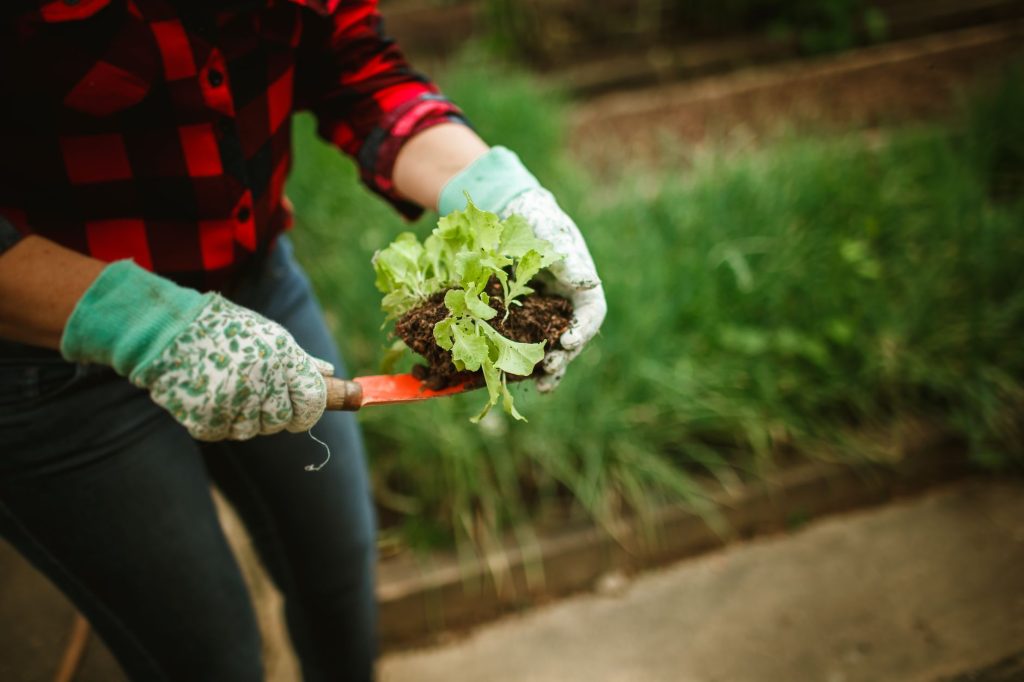
There is a unique satisfaction in stepping out into your backyard, clipping fresh greens, and plucking ripe, sun-warmed produce straight off the vine. Home vegetable gardening is far more than just an enjoyable hobby—it provides peak-flavor produce, encourages healthier eating habits, and helps cut down on grocery bills. Whether you are cultivating spacious backyard raised beds or setting up containers on a sunny patio, growing your own food is remarkably accessible.
To build a productive harvest, you do not need decades of agricultural experience. You simply need adequate sunlight, consistent moisture, healthy soil, and the right selection of crops. In this guide, we will explore essential steps to prepare your soil beds and highlight top vegetable picks that yield maximum flavor with minimal fuss.
Building a Strong Foundation: Soil Preparation
Before sowing a single seed or setting out transplants, your primary focus should be below the ground surface. Healthy, living soil is the cornerstone of any flourishing garden, providing vital nutrients, moisture retention, and root aeration required for vigorous plant growth.
If your local soil is dense clay, overly sandy, or depleted of nutrients, proper amendments are essential. Incorporating rich organic matter dramatically improves soil structure and fertility. For example, integrating high-quality organic compost in Salt Lake City or similar arid climates helps break up heavy soil while significantly improving moisture retention during hot summer months. Aim to work a two-to-three-inch layer of organic compost into your top six inches of garden soil before spring planting.
Top Vegetables for Your Home Garden
Choosing resilient, high-yielding crops ensures a steady supply of fresh produce from spring through autumn. The following vegetables are chosen for their reliability, excellent productivity, and beginner-friendly care.
1. Tomatoes: The Backyard Royalty
No home vegetable garden feels complete without tomatoes. From sweet cherry varieties to classic beefsteaks, tomatoes thrive in warm, sunny locations receiving six to eight hours of direct sunlight daily. When transplanting tomato seedlings, bury the stems deeply to promote robust root development along the buried vine. Provide sturdy cages or stakes early to support branches and keep heavy fruit clean and off the ground.
2. Leafy Greens: Lettuce, Spinach, and Kale
Leafy greens are among the fastest and easiest crops to cultivate. Cool-season plants like lettuce, spinach, and kale flourish in spring or fall and can tolerate light shade. Utilizing the “cut-and-come-again” harvest method—snipping outer leaves while leaving the central growing crown intact—allows you to enjoy a continuous supply of fresh salad greens for weeks.
3. Zucchini and Summer Squash
If you want a crop that delivers an abundant harvest with minimal fuss, zucchini is the ultimate overachiever. Positioned in full sun with rich, well-draining soil, a single plant produces generous yields all season long. Harvest squashes when they reach six to eight inches in length to enjoy optimum tender texture and mild flavor.
4. Carrots and Root Crops
Carrots offer the crisp, sweet reward of underground growing. They require loose, light, well-draining soil free of rocks or compacted clay so the roots can expand straight and plump. Thinning young seedlings early gives every root adequate space to mature properly.
5. Sweet Bell and Hot Peppers
Peppers add brilliant color, crunch, and heat to summer harvests. They love warmth and plenty of direct sunlight. With consistent watering and warm soil temperatures, pepper plants produce continuous yields of sweet bell or spicy chili peppers through late summer and fall.
6. Green Beans
Available in compact bush varieties or climbing pole types, green beans are resilient and productive. Pole beans efficiently maximize vertical garden space when trained onto trellises. As an added benefit, bean plants naturally enrich the surrounding soil with nitrogen, benefiting neighboring companion crops.
Essential Tips for Garden Success
Once your crops are planted, simple and consistent maintenance habits will ensure your garden flourishes:
- Water Consistently: Most garden vegetables require about an inch of water per week. Water deeply at the root zone early in the morning rather than giving light, frequent surface sprinkles.
- Apply Mulch: Spread a thin layer of clean mulch over exposed garden beds to suppress weeds, regulate soil temperature, and retain moisture.
- Rotate Crops Annually: Avoid planting crops from the same family in the exact same spot each year to prevent soil-borne pests and nutrient depletion.
- Harvest Frequently: Picking vegetables regularly as they reach peak ripeness encourages plants to continue producing fresh yields.
Start Your Gardening Journey Today
Cultivating a home vegetable garden is a practical, deeply satisfying journey filled with learning and delicious rewards. By preparing your soil with rich organic amendments, choosing reliable vegetable varieties, and following basic care guidelines, you can enjoy fresh, nutritious produce straight from your backyard all season long. Grab your tools, nourish your soil, and get ready to plant, grow, and enjoy!