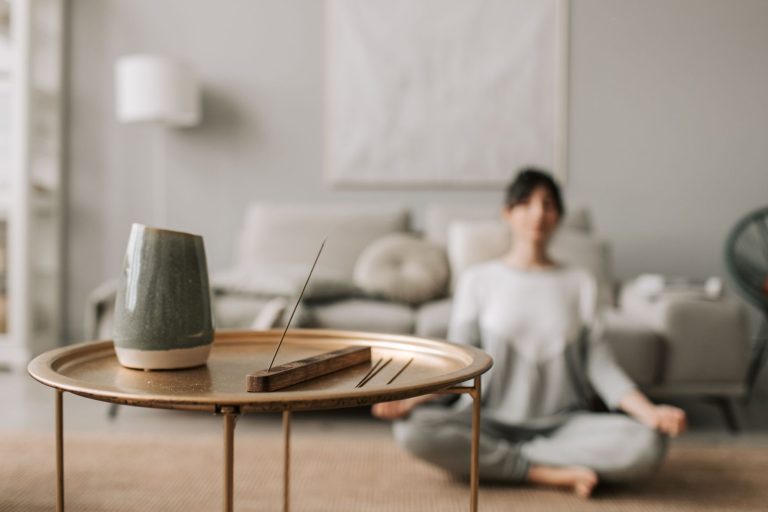
Modern architecture is shifting toward eco-friendly solutions that harmonize energy efficiency with occupant well-being. Sustainable building technologies do more than reduce environmental footprints; they fundamentally transform indoor environmental quality. By integrating smart climate systems, advanced building envelopes, biophilic elements, and precise moisture controls, commercial and residential structures can deliver unmatched thermal stability and air quality. Investing in green building technology creates healthier, happier indoor environments where occupants thrive while lowering long-term utility costs and environmental impact.
- High-Performance Envelopes and Smart Glazing Systems
- Advanced Indoor Air Quality and Precision Moisture Controls
- Automated Smart Building Controls and Environmental Sensors
- Biophilic Design and Living Green Wall Integration
- Radiant Heating and Hydronic Cooling Infrastructure
- Dynamic Daylighting and Circadian Rhythm Lighting Solutions
- Conclusion
High-Performance Envelopes and Smart Glazing Systems
The foundation of any energy-efficient, comfortable building lies in its exterior enclosure. Advanced insulation materials, airtight construction detailing, and high-performance windows prevent unwanted heat loss in winter and heat gain in summer, establishing a stable interior climate.
Smart glazing technologies, such as electrochromic and low-emissivity glass, dynamically adapt to external sunlight conditions. Electrochromic windows tint automatically in response to intense solar radiation, blocking glare and solar heat without restricting natural exterior views or blocking daylight.
Minimizing thermal bridging through continuous exterior insulation ensures wall surfaces remain warm during cold weather, preventing drafty rooms and internal condensation. A well-designed building envelope lowers mechanical heating and cooling demands while delivering supreme thermal comfort across every room.
Dynamic Solar Control Through Electrochromic Glass
Tint-adjusting glass systems regulate solar heat gain automatically, maintaining comfortable indoor temperatures during peak summer afternoons.
Eliminating harsh window glare reduces visual eye strain for office workers while reducing artificial lighting requirements. Dynamic glazing optimizes natural light.
Continuous Insulation for Thermal Uniformity
Eliminating structural thermal bridges keeps interior wall surfaces at consistent temperatures, preventing cold drafts near perimeter windows.
Balanced indoor surface temperatures eliminate cold spots, creating a uniformly comfortable living environment throughout cold seasons. Continuous insulation enhances thermal performance.
Advanced Indoor Air Quality and Precision Moisture Controls
Indoor air quality plays a direct role in human health, cognitive focus, and daily physical comfort. Sustainable buildings utilize dedicated outdoor air supply systems paired with advanced filtration to continuously flush out airborne pollutants, volatile organic compounds, and excess carbon dioxide.
Controlling relative indoor humidity is equally critical for occupant comfort and respiratory health. Incorporating an energy-efficient high-pressure humidification system atomizes microscopic water droplets into supply air streams, maintaining optimal humidity levels between forty and sixty percent without demanding excessive thermal energy.
Maintaining precise humidity control prevents dry skin, reduces static electricity, and protects delicate wooden interior finishes from cracking. Furthermore, proper indoor moisture balance reduces the survival rate of airborne viruses and bacteria, creating a healthier, more comfortable indoor sanctuary.
Continuous Air Exchange with Heat Recovery
Energy recovery ventilators extract thermal energy from outgoing exhaust air to pre-condition incoming fresh outdoor air efficiently.
Delivering filtered outdoor air continuously prevents indoor pollutant accumulation, reducing allergy symptoms and respiratory irritation. Controlled air exchange purifies indoor spaces.
Microscopic Water Atomization for Efficient Moisture Balance
High-pressure water misting systems add clean moisture to interior air streams rapidly, utilizing minimal electricity compared to traditional steam humidifiers.
Balanced indoor humidity prevents dry throat irritation and stabilizes wooden flooring structures across dry winter months. Precision humidification elevates occupant comfort.
Automated Smart Building Controls and Environmental Sensors
Modern sustainable structures rely on intelligent building management networks to monitor and adjust indoor environments continuously. Internet-connected environmental sensors track localized temperatures, humidity levels, ambient light, and room occupancy in real time.
Automated control platforms analyze sensor data dynamically, adjusting heating, cooling, ventilation, and lighting outputs precisely where and when needed. Micro-zone climate control ensures occupied spaces remain perfectly conditioned while unoccupied rooms conserve energy.
Furthermore, predictive climate algorithms learn building usage patterns and weather forecasts, pre-cooling or pre-heating spaces efficiently during off-peak energy hours. Smart automation delivers personalized occupant comfort while optimizing overall building energy performance seamlessly.
Personalized Micro-Zone Temperature Regulation
Dividing floor plates into independently controlled thermal zones allows occupants to adjust local temperatures to match personal comfort preferences.
Micro-zone control eliminates temperature disputes in shared workplace environments, boosting daily productivity and satisfaction. Zone controls deliver personal comfort.
Predictive Climate Scheduling for Peak Efficiency
Analyzing local weather forecasts allows smart controllers to adjust HVAC output proactively before sudden exterior temperature swings occur.
Pre-conditioning spaces smoothly avoids aggressive mechanical cooling spikes, preserving indoor comfort effortlessly. Predictive scheduling maximizes system efficiency.
Biophilic Design and Living Green Wall Integration
Integrating natural elements directly into interior architecture—a concept known as biophilic design—profoundly impacts human psychological well-being, stress levels, and perceived comfort. Natural materials, organic textures, and indoor greenery soften rigid structural environments.
Living green walls serve as functional biological air purifiers while acting as striking natural visual features. Dense plant foliage absorbs indoor air contaminants, filters dust particles, and releases fresh oxygen directly into occupied spaces.
Additionally, indoor vegetation contributes to natural humidity regulation through plant transpiration, while foliage absorbs ambient acoustic echoes. Combining visual beauty with air purification makes biophilic elements an essential component of comfortable, human-centric design.
Natural Air Purification Through Plant Foliage
Living plant walls absorb gaseous pollutants and airborne toxins, converting them into harmless organic compounds naturally.
By enhancing indoor oxygen concentrations, they reduce mid-afternoon fatigue among office workers and support cognitive focus. Green walls purify interior air naturally.
Acoustic Dampening and Visual Stress Reduction
Vertical plant installations absorb harsh sound reflections, reducing background ambient noise levels across open-plan architectural spaces.
Surrounding indoor occupants with living greenery lowers cortisol levels, promoting a calm, relaxing environment. Biophilic design nurtures mental well-being.
Radiant Heating and Hydronic Cooling Infrastructure
Traditional forced-air HVAC systems often generate uncomfortable drafts, noisy duct operation, and uneven room temperature distribution. Radiant heating and hydronic cooling technologies offer a quieter, highly energy-efficient alternative that elevates thermal comfort.
Radiant floor and ceiling systems circulate heated or chilled water through embedded PEX tubing networks, transferring thermal energy directly to objects and occupants via gentle infrared radiation. Radiant surfaces warm feet and bodies directly rather than heating air volumes artificially.
Eliminating high-velocity air blowers reduces dust and allergen circulation throughout interior spaces, benefiting sensitive individuals. Radiant hydronic systems operate in near-total silence, delivering luxurious, uniform thermal comfort across all seasons.
Uniform Infrared Heat Distribution from Floor Surfaces
Radiant floor heating delivers warm temperatures at floor level where occupants walk, allowing heat to rise gently and naturally.
Eliminating air convection currents prevents hot air accumulation at ceiling levels, reducing overall thermal energy waste. Radiant heat provides gentle warmth.
Silent Hydronic Cooling Panels for Draft-Free Comfort
Hydronic ceiling panels absorb radiant heat from room objects quietly without blowing cold, dry air currents across room occupants.
Draft-free radiant cooling maintains comfortable indoor temperatures smoothly without generating mechanical duct noise. Radiant panels deliver quiet cooling.
Dynamic Daylighting and Circadian Rhythm Lighting Solutions
Light strongly influences human sleep cycles, mood regulation, and daily energy levels. Sustainable buildings prioritize natural daylighting while utilizing advanced solid-state lighting that mimics natural solar spectrum shifts throughout the day.
Strategic light shelves, skylights, and light wells capture natural sunlight, piping illumination deep into central building cores. Maximizing natural light exposure elevates mood, enhances visual clarity, and reduces dependency on electric grid power.
In areas lacking natural light, tunable white LED fixtures adjust color temperatures dynamically, delivering cool blue-enriched light in the morning to promote alertness and warm golden light in the evening to prepare the body for rest. Circadian-aligned lighting supports natural sleep-wake cycles, promoting long-term occupant health.
Maximizing Natural Sunlight Through Architectural Light Shelves
Reflective light shelves bounce natural sunlight off room ceilings, illuminating interior desks softly without direct window glare.
Plentiful daylight exposure boosts natural serotonin production, improving workplace morale and energy levels. Natural daylighting brightens indoor living.
Tunable LED Lighting for Biological Rhythm Support
Shifting artificial light spectra from cool morning light to warm evening tones supports natural melatonin production and healthy sleep cycles.
Circadian lighting minimizes shift-work fatigue, fostering vibrant daytime alertness and restorative nighttime rest. Tunable lighting honors human biology.
Conclusion
Sustainable building technologies represent a profound shift toward human-centered architecture that prioritizes occupant comfort, health, and environmental stewardship. By combining high-performance building envelopes, advanced indoor air quality controls, smart building automation, biophilic green walls, radiant hydronic heating and cooling, and circadian daylighting solutions, modern structures create luxurious indoor sanctuaries. Investing in eco-friendly building technology reduces operational energy expenses while cultivating healthy, vibrant indoor spaces where occupants thrive for decades to come.