

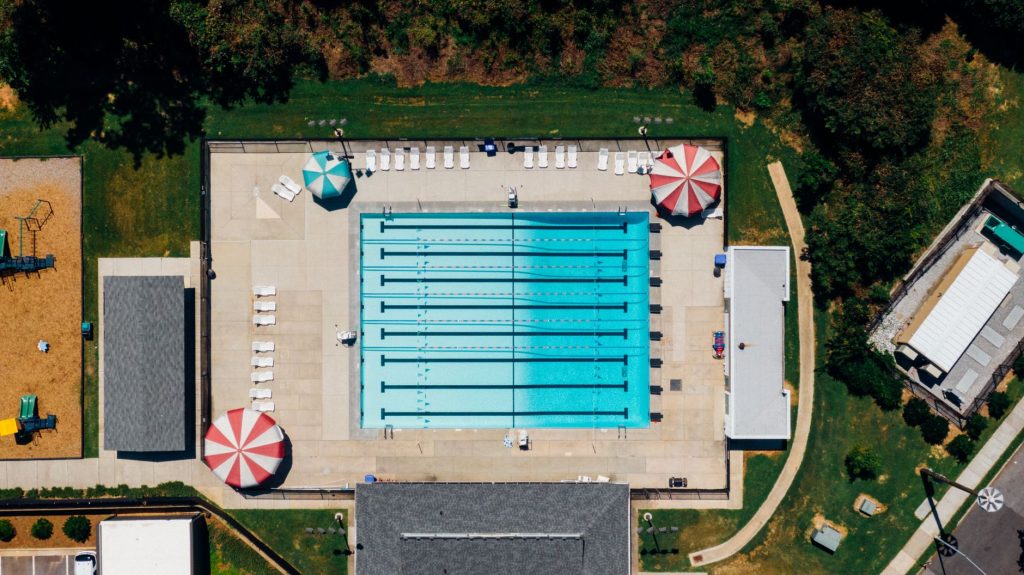
For generations, community centers have served as the gathering place for neighborhoods, offering individuals a shared space to exercise, learn, and build lasting relationships. However, as family dynamics, technology, and leisure preferences evolve, the design of these spaces must adapt as well. A modern community center can no longer rely on single-use rooms or outdated recreational equipment. To remain relevant, inspiring, and beneficial to the entire public, facilities must transform into dynamic, multi-generational hubs designed to welcome every member of the family.
Creating a family-friendly space requires thoughtful planning, intentional design, and a deep understanding of what different age groups need to feel engaged, safe, and valued.
The Shift Toward Multi-Generational Design
Historically, community recreation centers divided visitors strictly by age group or activity type: seniors met in quiet morning rooms, toddlers had isolated play spaces, and teenagers gathered around gymnasiums after school hours. While designated zones remain important, modern facility design favors multi-generational spaces that encourage interaction across different age groups while still honoring unique individual needs.
A multi-generational approach recognizes that families often visit recreation centers together. Parents want to stay active while keeping an eye on young children, grandparents seek low-impact wellness options alongside social spaces, and teenagers look for engaging, energetic environments where they can gather safely with peers. Designing shared concourses, open sightlines, and flexible multipurpose areas allows families to experience the facility as a cohesive unit, fostering stronger community bonds and increasing overall visitation rates.
Balancing High-Energy Play with Dedicated Fitness Zones
Physical activity is a core pillar of any thriving community center, but the definition of active play has broadened significantly. Traditional fitness offerings such as cardio rooms, weight benches, and lap pools remain essential for adults and seniors focused on health and longevity. However, attracting younger generations demands more interactive, high-energy options that capture their enthusiasm and encourage movement away from digital screens.
To create an environment where children and teens truly thrive, community spaces are increasingly incorporating dynamic recreation features. Indoor climbing structures, obstacle courses, ninja warrior zones, and interactive play parks offer physical challenges that feel like play rather than exercise. For instance, looking at successful commercial recreation concepts like popular trampoline parks in Columbus, Ohio demonstrates how high-flying, structured bounce zones can transform standard square footage into high-traffic hubs for youth fitness and excitement.
By combining structured adult gym facilities with high-energy youth attractions, community centers ensure that every member of the family finds an appealing reason to stay physically active.
Fostering Social Connections and Community Programming
Beyond physical exercise, community centers play a vital role in combating social isolation and supporting mental health across all age brackets. Designing welcoming spaces for gathering is just as important as building sports courts or exercise rooms.
Effective family-friendly facilities incorporate comfortable, casual social zones such as:
- Central Cafés and Dining Lounges: Convenient spaces for parents to refuel between activities, remote workers to set up laptops, or seniors to enjoy coffee and conversation after morning fitness classes.
- Flexible Multipurpose Rooms: Versatile spaces that transition seamlessly from morning toddler playgroups and afternoon art classes to evening neighborhood association meetings or weekend birthday parties.
- Quiet Study and Tech Hubs: Dedicated areas where teenagers can complete homework, collaborate on group projects, or access technology in a safe, supervised environment.
Programming is the heart that pumps life into these physical spaces. Offering multi-generational classes—such as family yoga, cooking workshops, or community gardening initiatives—helps bridge generational divides and strengthens community cohesion.
Accessibility, Safety, and Long-Term Value
A facility can only be truly family-friendly if it is accessible and safe for everyone who walks through the doors. Inclusive design goes beyond basic regulatory compliance; it involves creating an environment where individuals of all physical abilities, neurodivergent needs, and economic backgrounds feel comfortable and supported.
Safety protocols should be visible, clear, and consistently enforced. Trained staff members, secure access points, clear sightlines across play areas, and sanitized facilities provide parents with peace of mind. Additionally, incorporating family restrooms, nursing suites, stroller storage, and universal design principles ensures that navigating the center is effortless for caregivers with small children or visitors with mobility aids.
When community leaders invest in well-designed, inclusive, and energetic recreation centers, they create far more than a physical facility. They establish a vibrant local anchor that promotes lifelong physical health, nurtures mental well-being, and builds a resilient, connected community for generations to come.



1 thought on “Family-Friendly Spaces: Creating a Community Center for All Ages”