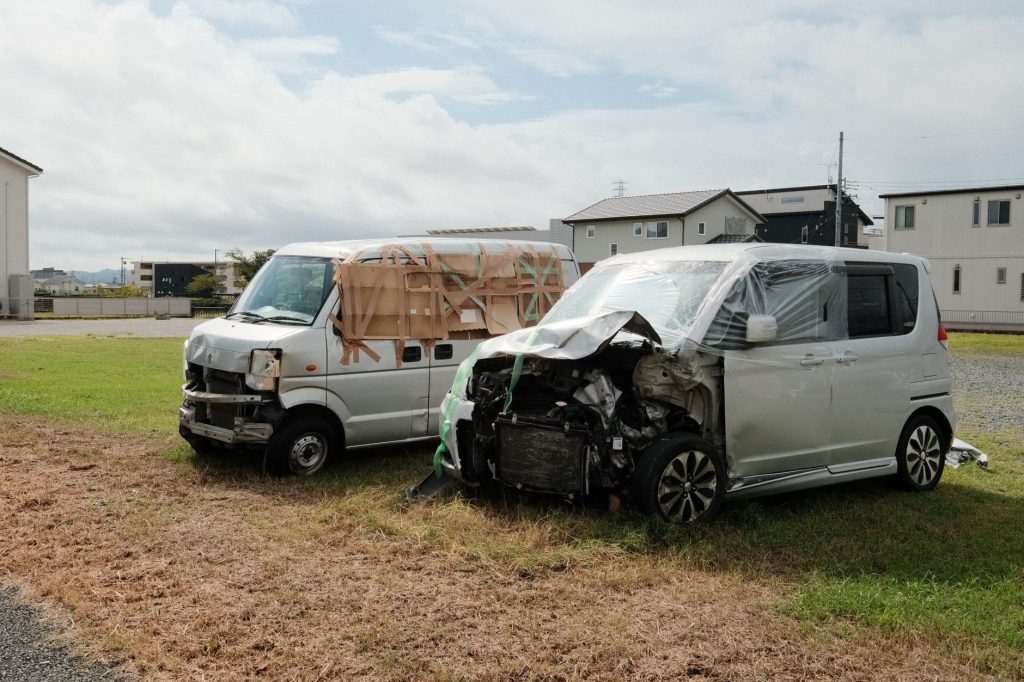
Car accidents are jarring, stressful events that disrupt your day and surge your body with adrenaline. In the immediate aftermath, prioritizing personal health, moving to safety, contacting emergency services, and exchanging information are always the primary steps. However, once the initial chaos subsides and the scene is clear, your focus must shift to evaluating the condition of your vehicle.
Even minor low-speed fender benders can cause unseen structural or mechanical stress. Operating a vehicle with hidden damage compromises your road safety, risks secondary collisions, and leads to far more expensive repairs over time. To ensure your car remains safe to drive—or to know when it requires professional towing—here is a detailed post-crash inspection checklist.
1. Exterior Body Panels and Frame Integrity
Begin by conducting a slow, deliberate walkaround of the vehicle exterior. While surface scratches and bumper scuffs are obvious, you should look deeper for indicators of structural shifts.
- Bumpers and Fenders: Modern bumpers are designed to absorb and distribute shock. Damage to the plastic cover often masks crushed internal reinforcement bars or bent crumple zones.
- Body Gaps and Alignment: Inspect the gaps between doors, hood, trunk, and side panels. Uneven spacing or panels that overlap suggest frame misalignment or a warped structural foundation.
- Latch Operation: Open and close every door, the hood, and the trunk. If a door sticks, feels unusually heavy, or fails to latch smoothly, the vehicle's frame may have twisted during impact.
2. Auto Glass and Mirror Condition
Vehicle glass is not merely decorative; it provides up to 30% of a vehicle’s structural roof strength in rollover accidents and serves as the critical backstop for passenger airbag deployment.
Carefully inspect the windshield, rear glass, side door windows, and side mirrors for hairline fractures, small chips, or stress cracks along the glass edges. Impact forces can compromise the bonding seal holding the glass to the frame, even if the glass appears intact. If your glass is severely cracked or shattered, arranging for mobile windshield replacement in Ogden or your local area ensures you can get repairs done safely without driving a compromised vehicle.
3. Tires, Wheels, and Suspension Systems
Your tires are the only contact point between your car and the road, making them extremely vulnerable during a collision.
- Tire Damage: Look for sidewall bulges, deep rubber gouges, flat spots, or sudden loss of air pressure.
- Wheel Rims: Check the metal rims for bends, cracks, or severe scuffing, which can break the tire seal or cause vibration at higher speeds.
- Suspension & Alignment: Drive cautiously at low speeds in a safe area. If the steering wheel vibrates, feels off-center, or pulls strongly toward one side, the collision likely altered your wheel alignment or damaged control arms, struts, or tie rods. Listen for unusual clunking or squeaking noises when turning or passing over bumps.
4. Under-the-Hood Components and Fluid Leaks
Pop the hood to inspect mechanical systems, even if the impact occurred at the rear of the vehicle. Momentum can shift engine mounts, loosen hoses, or crack fluid reservoirs.
Check underneath the engine bay for fresh fluid puddles:
- Bright Green, Pink, or Orange: Engine coolant/antifreeze.
- Dark Brown or Black: Engine oil.
- Reddish or Clear: Transmission fluid or power steering fluid.
- Clear to Amber: Brake fluid.
Examine the radiator for crushed cooling fins, inspect battery terminal connections, and verify that all belts and air intake tubes remain tightly secured.
5. Lighting and Advanced Driver Assistance Systems (ADAS)
Functioning lights are vital for maintaining road visibility and signaling your intentions to other drivers. Test all exterior lights, including:
- High and low-beam headlights
- Brake lights and tail lights
- Turn signals and emergency hazard flashers
Additionally, modern vehicles rely heavily on Advanced Driver Assistance Systems (ADAS)—such as lane departure warnings, automatic emergency braking, and adaptive cruise control—which use sensors and cameras mounted in the windshield and bumpers. If a dashboard warning light remains illuminated after starting the engine, or if your safety warnings trigger falsely, have the sensors professionally recalibrated immediately.
Prioritize Professional Evaluation
While a personal post-crash check helps you spot immediate hazards, hidden damage can escape the untrained eye. Following any significant impact, consult a certified auto repair facility or auto glass specialist to perform a comprehensive diagnostic inspection. Taking proactive action protects your vehicle's long-term resale value, preserves insurance claims accuracy, and most importantly, keeps you and your passengers safe on every journey.