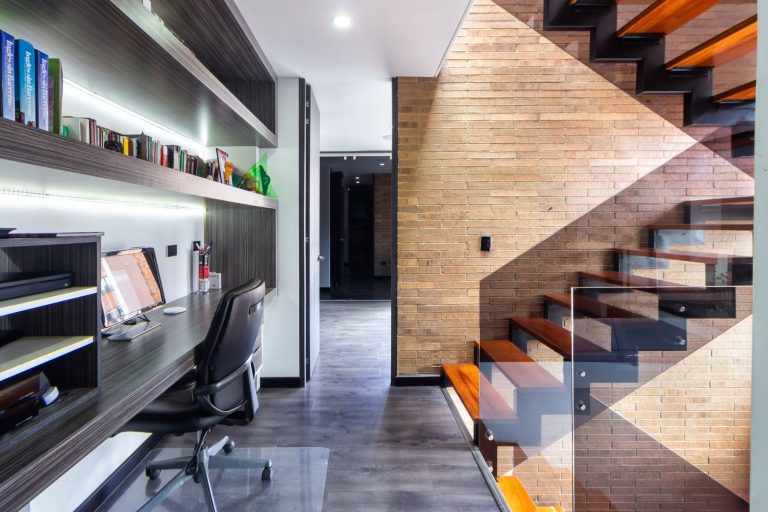
A carpentry contractor plays an important role in creating, installing and repairing wooden structures and furniture. From fitted wardrobes and kitchen cabinets to doors, shelving and custom furniture, skilled carpentry can improve the appearance, functionality and comfort of a space. Choosing the right professional helps ensure that every detail is carefully planned and completed to a suitable standard.
- Understanding the Role of a Carpentry Contractor
- Custom Furniture and Bespoke Woodwork
- Selecting Suitable Materials
- Tools, Equipment and Workmanship
- Planning Timelines and Managing Costs
- Communication and Customer Service
- Safety and Installation Standards
- Sustainable Choices in Carpentry
- How to Choose a Reliable Carpentry Contractor
- Conclusion
Whether you are renovating a home, fitting out a commercial property or commissioning bespoke furniture, working with an experienced contractor can make the process easier. One such exemplary organisation is the classic furniture carpentry contractor, which has built its reputation on mastery and precision in the field.
Understanding the Role of a Carpentry Contractor
A carpentry contractor manages woodworking projects that require technical knowledge, careful planning and practical skills. Depending on the scope of work, this may involve building furniture, installing cabinets, fitting doors, constructing partitions or producing custom wooden features.
The contractor begins by understanding the client's requirements. This may include discussing the intended use of the finished product, measuring the available space, reviewing design preferences and establishing a suitable budget. These details help determine the materials, construction methods and time needed to complete the project.
Some contractors specialise in residential carpentry, while others focus on commercial interiors, furniture production or renovation work. Choosing someone whose experience matches your project can improve efficiency and help avoid unnecessary changes during installation.
A professional contractor should also explain the proposed work clearly. Understanding what is included in the quotation, which materials will be used and how installation will be managed helps establish realistic expectations from the beginning.
Custom Furniture and Bespoke Woodwork
Custom furniture is a practical option when standard products do not fit a room or meet specific requirements. A carpentry contractor can design and build furniture around the available space, preferred dimensions and intended use.
Examples include fitted wardrobes, storage cabinets, bookshelves, dining tables, desks and entertainment units. Bespoke furniture can be especially useful in smaller rooms, where efficient storage and carefully planned dimensions make a noticeable difference.
The design process should consider appearance as well as functionality. Cabinet doors need sufficient clearance, drawers should open smoothly, and shelves must support their intended loads. Furniture used frequently should also have durable joints and surfaces that are easy to maintain.
Clients can discuss finishes, colours, handles and decorative details before production begins. A contractor may provide drawings or design visualisations to show how the finished item could look. Reviewing these details early helps reduce misunderstandings and limits the need for costly alterations.
Selecting Suitable Materials
Material selection has a direct effect on the strength, appearance and maintenance requirements of a carpentry project. Different types of wood and manufactured boards offer different benefits, so the best option depends on the intended application.
Solid wood is often chosen for its natural grain and distinctive appearance. It can be suitable for furniture, decorative features and selected structural applications, provided the correct species and dimensions are used. However, solid timber can respond to changes in moisture and temperature, so suitable preparation and installation are important.
Plywood consists of bonded layers and is commonly used for cabinets, furniture and interior fittings. Its strength and stability depend on its grade and construction. Medium-density fibreboard, or MDF, offers a smooth surface that works well for painted furniture, decorative panels and cabinet components.
Laminated boards can provide practical surfaces with a range of colours and finishes. They may be suitable for wardrobes, shelving and other furniture that needs a consistent appearance.
A knowledgeable contractor should explain the advantages, limitations and costs of the proposed materials. This allows clients to make informed decisions based on durability, appearance and budget.
Tools, Equipment and Workmanship
Quality carpentry requires the correct tools and the ability to use them safely. Measuring tapes, squares, levels, chisels and hand saws remain useful for detailed work, while drills, routers, circular saws and other power tools help improve efficiency.
For specialised projects, computer-aided design software can assist with planning dimensions and presenting layouts. Computer-controlled cutting equipment may also be used to produce consistent components, particularly when manufacturing multiple furniture pieces.
However, advanced equipment alone does not guarantee a good result. Accurate measurements, careful material selection, precise cutting and secure joints remain essential. Small errors can affect alignment, create uneven gaps or prevent doors and drawers from operating correctly.
Finishing is equally important. Sanding, sealing, painting and protective coatings can improve appearance and help surfaces withstand regular use. The appropriate treatment depends on the material, the environment and the expected level of wear.
When assessing a contractor, ask about their experience with similar work and review photographs of completed projects. Attention to detail is often visible in straight edges, consistent finishes, neat joints and well-aligned fittings.
Planning Timelines and Managing Costs
Clear planning helps keep a carpentry project organised. Before work begins, the contractor should establish the scope, measurements, material requirements and expected completion date.
The time required depends on the project's complexity. Installing a straightforward shelf may take considerably less time than producing a complete set of fitted cabinets. Custom furniture may also require additional time for design approval, material preparation, construction and finishing.
A detailed quotation should identify the main costs involved. These may include materials, labour, delivery, installation and any agreed additional work. If the project involves several stages, the contractor should explain the expected schedule and payment arrangements.
Clients should ask how changes will be handled if measurements, materials or design preferences need to be adjusted. Agreeing on a clear process can prevent confusion and help control unexpected expenses.
It is also sensible to allow some flexibility in the schedule. Material availability, site conditions and installation requirements can affect completion times. Regular communication helps everyone understand the project's progress and respond promptly to any issues.
Communication and Customer Service
Good communication is an essential part of successful carpentry work. A contractor should listen carefully to the client's requirements, explain practical limitations and provide clear answers to questions.
During the initial consultation, discuss the intended appearance, functional requirements and available budget. Sharing reference images, sketches or measurements can help communicate your preferences. The contractor can then explain which ideas are practical and suggest alternatives where necessary.
Regular updates are useful when a project involves several stages. Clients should know when materials are expected, when installation will take place and whether any changes affect the schedule.
Professional conduct also matters. A dependable contractor should arrive at agreed times where possible, maintain an organised work area and treat the property with care. If problems arise, they should explain the situation and discuss suitable solutions rather than leaving the client uncertain.
These practices help establish trust and make the overall experience more manageable.
Safety and Installation Standards
Carpentry projects should be completed with attention to safety and appropriate installation requirements. Poorly secured cabinets, unsuitable fixings and incorrectly supported shelves can create risks, particularly when furniture carries heavy items.
A contractor should assess the surface or structure where an item will be installed and select suitable fixings. Wall-mounted cabinets, for example, may require different installation methods depending on the wall construction and expected load.
Dust control, safe tool handling and appropriate protective equipment are also important during construction and installation. For larger projects, the contractor should explain how the work area will be managed to minimise disruption.
Where work involves structural alterations, electrical services or other regulated activities, additional qualified professionals or approvals may be necessary. Clients should clarify these requirements before work begins.
Before accepting the completed project, inspect the workmanship and test moving parts such as hinges, drawers and sliding doors. Any concerns should be raised promptly so that agreed adjustments can be arranged.
Sustainable Choices in Carpentry
Material efficiency can make carpentry projects more responsible and economical. Careful measurement and cutting help reduce waste, while suitable offcuts may be reused for smaller components when appropriate.
Clients can ask about responsibly sourced timber, recycled materials and durable finishes. The suitability of each option depends on the project, so material claims should be supported by clear information from the supplier.
Repairing or updating existing furniture can also be an alternative to replacing it. A contractor may be able to reinforce joints, replace damaged panels, adjust doors or apply a new finish. Whether restoration is worthwhile depends on the condition of the item and the cost of the required work.
Choosing durable materials and sound construction methods can extend the useful life of furniture. This may reduce the need for repeated replacements and help deliver better value over time.
How to Choose a Reliable Carpentry Contractor
When comparing contractors, consider their relevant experience, workmanship, communication and pricing. Ask for examples of similar projects and check whether previous clients have provided feedback about reliability and the quality of the finished work.
Confirm what the quotation includes, which materials will be supplied and whether installation and clean-up are covered. You should also ask about warranties, repair arrangements and the process for addressing defects.
Avoid making a decision based solely on the lowest price. A significantly cheaper quotation may exclude important work or use materials that are unsuitable for your requirements. Comparing detailed quotations gives you a clearer understanding of the value being offered.
A suitable contractor should be willing to explain their recommendations and help you make decisions without unnecessary pressure. Clear agreements and realistic expectations provide a strong foundation for a successful project.
Conclusion
A skilled carpentry contractor can transform practical ideas into durable furniture, useful storage and carefully finished wooden features. The quality of the result depends on sound planning, suitable materials, accurate workmanship and clear communication throughout the project.
Before choosing a contractor, consider their experience, review previous work and discuss your requirements in detail. Make sure the quotation explains the expected costs, materials, schedule and installation arrangements.
With careful selection and good planning, you can achieve woodwork that suits your space, meets your practical needs and complements your preferred style. Investing in quality carpentry can improve both the usefulness and appearance of your property for years to come.