
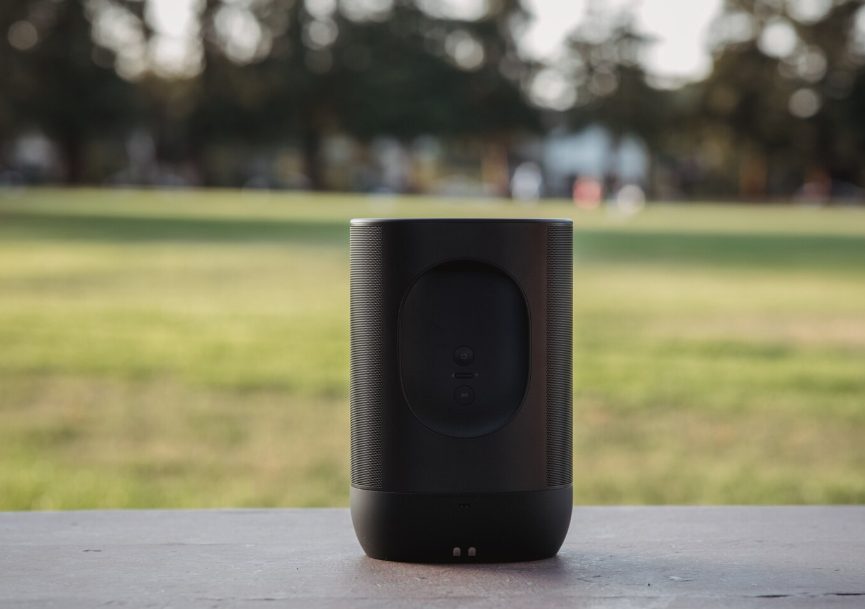
Outdoor spaces offer a different listening environment from indoor rooms. Music played on a patio, balcony, garden or poolside area needs to remain clear despite background noise, changing weather and the absence of enclosed walls to contain the sound. Wireless outdoor speakers provide a convenient way to enjoy music in these settings without relying on extensive audio cabling.
Although many portable speakers are marketed for outdoor use, their features and performance differ considerably. Weather resistance, battery life, wireless connectivity and sound coverage all influence whether a speaker is suitable for your space. When comparing wireless outdoor speakers, understanding these factors helps you choose equipment that matches your listening habits and outdoor environment.
Weather Resistance for Outdoor Conditions
Outdoor speakers face conditions that indoor models rarely encounter. Humidity, rain, dust and direct sunlight can affect their components, particularly when they remain outside for long periods.
Look for an Ingress Protection (IP) rating when comparing wireless outdoor speakers. This rating indicates how well an enclosure protects against solid particles and water under specified testing conditions. For example, an IPX5 rating indicates resistance to water jets, while IP67 includes protection against dust and temporary immersion under defined test conditions.
A higher rating does not mean a speaker is suitable for every outdoor situation. Exposure to salt air, extreme temperatures and prolonged direct sunlight still requires consideration. Check the manufacturer's guidance on placement, storage and cleaning.
If you plan to use speakers around a swimming pool, confirm their water-resistance rating and keep them away from areas where they might be submerged or exposed to excessive splashing.
Sound Quality in Open Spaces
Sound behaves differently outdoors because there are fewer walls and surfaces to reflect it. Music that sounds full inside a living room might seem quieter or less defined when played across a garden or open patio.
Speaker output and coverage therefore deserve attention. A compact model might work well for personal listening on a balcony, while a larger outdoor gathering space requires more volume and wider sound distribution.
Consider how the speaker handles vocals, bass and higher frequencies. Clear vocals help keep podcasts and conversations easy to follow, while balanced bass adds depth to music without overwhelming other sounds.
Some wireless speakers offer stereo pairing, allowing two compatible units to play left and right audio channels. Others support multi-speaker connections through a dedicated application. These features help distribute music across larger areas, although compatibility varies between brands and models.
Wireless Connectivity and Device Compatibility
Bluetooth is one of the most common connection options for wireless outdoor speakers. It allows users to stream music from smartphones, tablets and other compatible devices without connecting an audio cable.
Bluetooth range depends on the speaker, source device, surroundings and obstacles between them. Walls, metal structures and other wireless equipment might affect connection stability. For outdoor use, check the manufacturer's stated range and consider where the speaker and playback device will be positioned.
Some speakers also support Wi-Fi connectivity. Wi-Fi-based systems often provide access to streaming services, multi-room playback and wider network coverage. However, they generally require a suitable wireless network, which might not extend to every part of a garden or outdoor area.
Before buying, check whether the speaker supports your preferred devices and music services. If several people will use it, straightforward pairing and device switching are useful features.
Battery Life and Charging Options
Battery performance determines how long a portable outdoor speaker operates between charges. A model with a short battery life might be inconvenient during outdoor gatherings, especially when charging facilities are limited.
Manufacturers usually provide estimated playback times, but actual performance varies with volume, audio content, connectivity and additional features. Playing music at higher volumes typically consumes more power.
Consider your usual listening sessions rather than relying solely on the longest advertised battery figure. A speaker that comfortably covers several hours of use is often more practical than one with a larger feature list but limited operating time.
Charging options also matter. USB-C charging is common on newer portable speakers, while some models include charging docks or built-in power banks. A power bank function is useful when you need to charge a phone outdoors, although doing so also reduces the speaker's remaining battery capacity.
Portable or Permanently Installed Speakers?
Wireless outdoor speakers come in portable and fixed-installation designs. Portable models are suitable for people who want to move their equipment between a balcony, garden, picnic area or indoor room.
Their handles, compact dimensions and rechargeable batteries make relocation easier. Some also include carrying straps or mounting accessories.
Fixed outdoor speakers are designed to remain in a particular position. They might be mounted under roof eaves, on patio walls or in sheltered entertainment areas. Certain models use wireless audio connections but still require a power supply, so wireless does not always mean completely cable-free.
Think about where the speakers will be used most often. A portable design offers flexibility, while a fixed setup provides more consistent placement and sound coverage.
Placement and Maintenance
Speaker placement affects both sound quality and equipment lifespan. Position portable speakers on stable surfaces where they are unlikely to fall, become obstructed or collect standing water. Avoid placing them too close to walls or corners unless the manufacturer recommends it.
For larger outdoor spaces, consider using two speakers at suitable distances rather than relying on one unit at maximum volume. This often creates more even coverage and reduces the need to play music excessively loudly in one location.
Regular maintenance helps preserve performance. Wipe away dust and dirt using the recommended cleaning method, and check charging ports for moisture before connecting a cable. Even water-resistant speakers should be dried and stored appropriately after heavy rain or exposure to splashing.
Final Thoughts
Wireless outdoor speakers make it easier to enjoy music beyond indoor living spaces. Their suitability depends on more than sound output alone. Weather resistance, connectivity, battery life, portability and placement all contribute to a reliable listening experience.
Before choosing a model, consider the conditions where it will be used and the size of the area you want to cover. A speaker with the right combination of protection, sound quality and practical features will serve your outdoor listening needs more effectively.