
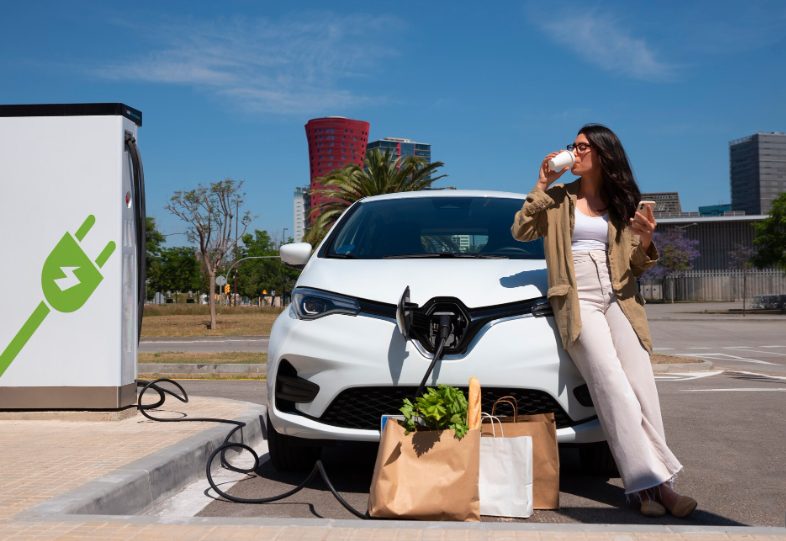
Electric vehicles are changing the way people travel by offering an alternative to traditional petrol and diesel cars. Improvements in battery technology, vehicle design, safety systems and digital connectivity are making electric mobility more practical for everyday use. Among the vehicles contributing to this development is the Aion electric vehicle, which combines modern automotive technology with a focus on energy efficiency, comfort and performance.
Developed by GAC Group, Aion vehicles are designed to meet the needs of drivers who want a comfortable and technology-focused driving experience. Their features reflect wider changes across the electric vehicle industry, where manufacturers are working to improve driving range, charging convenience, safety and environmental performance. Understanding these technologies can help drivers make informed decisions when considering an electric vehicle.
Advanced Battery Technology
The battery is one of the most important components of an electric vehicle. It stores the energy needed to power the motor and has a direct effect on driving range, charging time, vehicle weight and overall cost. Improvements in battery design are helping manufacturers create vehicles that can travel further while making better use of available energy.
Lithium-ion batteries are widely used in electric vehicles because they offer a useful balance of energy capacity, weight and performance. Battery development continues to focus on improving energy density, extending service life and maintaining reliable operation under different driving conditions.
Battery management systems also play an important role. These systems monitor factors such as temperature, voltage and charging levels to help maintain safe operation. Effective temperature management can support battery performance and reduce unnecessary wear over time.
Charging convenience is another important consideration. Drivers may charge their vehicles at home, at workplaces or at public charging stations, depending on the available facilities. Charging speed varies according to the vehicle, battery condition, charger output and temperature. Before choosing an electric vehicle, buyers should consider their regular travel distances and access to suitable charging points.
Modern Design and Aerodynamic Efficiency
Electric vehicle design involves more than creating an attractive exterior. The shape, weight and layout of a vehicle can influence its efficiency, comfort and handling. Aerodynamic design helps reduce air resistance, allowing the vehicle to use less energy when travelling at higher speeds.
Smooth body panels, carefully shaped front sections and streamlined rooflines can help air move around the vehicle more efficiently. Although the precise benefits depend on the model, reducing aerodynamic drag can contribute to a longer driving range.
Lightweight materials may also improve efficiency by reducing the amount of energy needed to move the vehicle. However, manufacturers must balance weight reduction with strength, durability and passenger protection.
Interior design is equally important. Electric vehicles can offer flexible cabin layouts because their electric powertrains differ from conventional engine arrangements. A thoughtfully designed cabin can provide useful storage, comfortable seating and convenient access to controls. Clear displays and practical storage compartments can make everyday journeys more enjoyable.
Advanced Safety Features
Safety technology is an important part of modern electric vehicles. Depending on the model and specification, available systems may include automatic emergency braking, lane departure warnings, lane-keeping assistance and adaptive cruise control.
These features use cameras, radar or other sensors to monitor the vehicle's surroundings. When the system detects a potential hazard, it may warn the driver or provide assistance. For example, automatic emergency braking can apply the brakes in certain situations when a collision appears likely.
Driver assistance systems can improve convenience, but they do not replace careful driving. Their performance may be affected by poor weather, unclear road markings, obstacles or other environmental conditions. Drivers should understand the limitations of each feature and remain responsible for controlling the vehicle.
Electric vehicles also require strong battery protection and carefully designed electrical systems. Manufacturers use safety measures to help protect the battery and occupants during normal operation and collisions. Buyers should review the safety equipment and independent crash-test information available for the specific model they intend to purchase.
Smart Connectivity and Driver Convenience
Digital technology is making vehicles easier to operate and manage. Modern electric vehicles may include touchscreen infotainment systems, smartphone connectivity, voice commands and navigation tools designed to support daily driving.
Navigation systems can help drivers plan routes and locate charging stations. Some systems also provide information about battery charge and estimated remaining range, helping drivers make better decisions during longer journeys.
Smartphone applications may offer remote access to selected functions, depending on the vehicle. These can include checking battery levels, monitoring charging progress, adjusting cabin temperature or locating the parked vehicle. Such features can be particularly useful when preparing for a journey or charging away from home.
Artificial intelligence may also support personalised settings and voice-based controls. However, available functions differ between manufacturers and models. Drivers should check which features are included as standard and which require additional services or subscriptions.
Software updates can improve certain vehicle functions after purchase. When supported, these updates may introduce refinements, correct problems or enhance selected systems. Reliable software support and clear privacy controls are important considerations when choosing a connected vehicle.
Environmental Benefits and Sustainability
One of the main reasons drivers consider electric vehicles is their potential to reduce environmental impact. Fully electric vehicles produce no exhaust emissions while driving, which can help improve local air quality, particularly in busy urban areas.
Their overall environmental impact also depends on how electricity is generated, how the battery is manufactured and how the vehicle is used. Charging with electricity from lower-emission sources can reduce associated greenhouse gas emissions. Energy consumption, driving habits and vehicle size also influence the overall result.
Battery production requires raw materials and energy, so responsible sourcing and manufacturing practices remain important. Battery recycling and reuse can help recover valuable materials and reduce waste. As recycling methods improve, manufacturers and recycling companies can develop better ways to manage batteries at the end of their useful automotive life.
Drivers can support more efficient operation by maintaining appropriate tyre pressures, avoiding unnecessary loads and using regenerative braking where available. These simple habits may help reduce energy consumption and make the most of each charge.
Energy Efficiency and Driving Performance
Electric motors provide power differently from conventional petrol and diesel engines. They can deliver strong torque from low speeds, allowing many electric vehicles to accelerate smoothly and respond quickly when the driver presses the accelerator.
This performance can make driving in traffic more convenient. Electric powertrains also operate with fewer moving parts than many conventional engines, potentially reducing certain maintenance requirements. However, tyres, brakes, suspension components and other systems still need regular inspection.
Regenerative braking is another useful technology. When the driver slows down, the motor can operate as a generator, converting some of the vehicle's movement into electrical energy that returns to the battery. The amount of energy recovered depends on the system, driving conditions and selected settings.
Actual driving range varies according to speed, temperature, terrain, air conditioning use, passenger load and driving style. Buyers should therefore compare official range figures with independent assessments and consider how the vehicle will perform during their usual journeys.
Future Developments in Electric Vehicle Technology
Electric vehicle technology continues to develop, with ongoing work in battery chemistry, charging infrastructure, software and driver assistance. Future battery improvements may increase energy storage, reduce charging times or improve durability. However, the benefits and availability of new technologies will depend on testing, manufacturing costs and commercial adoption.
Charging networks are also expanding in many areas. More accessible charging facilities can make electric vehicles easier to use, particularly for drivers who cannot install a home charger. Better payment systems, clearer charging information and improved reliability will remain important to wider adoption.
Vehicle connectivity may eventually support more communication between cars, road infrastructure and traffic management systems. Such technology could help provide traffic information and improve journey planning when supported by suitable infrastructure.
Automated driving features may also advance, but their capabilities will vary considerably. Drivers should distinguish between assistance systems and vehicles capable of operating without human supervision. Safety, regulation and reliable performance will remain essential as these technologies develop.
Conclusion
Electric vehicles bring together battery technology, aerodynamic design, digital connectivity and advanced safety systems to provide an alternative to conventional transport. The Aion electric vehicle reflects many of the features driving this change, including a focus on comfort, efficiency and modern vehicle technology.
When choosing an electric vehicle, buyers should look beyond appearance and advertised performance. Driving range, charging access, battery warranty, safety equipment, maintenance requirements and total ownership costs all deserve careful consideration.
As batteries, charging networks and connected systems continue to improve, electric vehicles are becoming an increasingly practical option for different driving needs. By understanding their strengths and limitations, drivers can choose a vehicle that suits their lifestyle while supporting more efficient and responsible mobility.