Over time, homes and offices tend to accumulate items that gradually disappear into drawers, cupboards and storage boxes. Old paperwork, outdated electronics, unused stationery and forgotten accessories can occupy valuable space for years without serving any practical purpose. What begins as a convenient place to store occasional belongings can eventually become a collection of things nobody remembers owning.
- Preserve Important Memories Before Clearing Old Electronics
- Review Unused Office Supplies Before Buying More
- Create a Simple System for Sorting Old Documents
- Give Forgotten Gadgets a Practical Second Life
- Design Storage Spaces Around Everyday Convenience
- Establish Habits That Prevent Clutter From Returning
Organising these materials involves more than simply throwing everything away. Some items contain important information, others hold sentimental value, and many can still be useful when properly sorted. Taking a thoughtful approach allows people to recover valuable possessions while creating cleaner, more functional environments.
The process does not have to become an exhausting weekend project. By dividing belongings into manageable categories and making practical decisions about what to preserve, reuse or replace, anyone can transform an overcrowded storage area into an organised space that supports everyday activities.
Preserve Important Memories Before Clearing Old Electronics
One of the most interesting discoveries during a major decluttering project is finding outdated technology that contains valuable personal memories. VHS tapes, old camcorders, photographic slides and forgotten recording equipment frequently remain untouched because modern devices cannot easily access their contents.
Before discarding these items, it is worth examining whether they contain family celebrations, childhood recordings or other meaningful experiences. Converting older media into accessible digital formats can help preserve memories while reducing the need to store bulky equipment.
Professional services such as https://everpresent.com/ offer opportunities to transfer old videotapes into digital files, making family recordings easier to watch, organise and share. This approach allows households to preserve important moments while creating more space for belongings they regularly use.
Once recordings have been digitised, creating clearly labelled folders makes them easier to locate. Keeping additional copies on separate storage devices or reliable cloud services can provide greater protection against accidental loss.
Review Unused Office Supplies Before Buying More
Office supplies have a tendency to accumulate unnoticed, particularly in workplaces where several people purchase materials independently. Pens, notebooks, printer cartridges, folders and cleaning products can gradually fill storage cupboards without anyone maintaining an accurate inventory.
The first step towards better organisation is identifying what is already available. Grouping similar products together makes it easier to recognise duplicates and determine which materials are genuinely needed.
Printer supplies deserve particular attention because replacement cartridges can represent a significant recurring expense. Businesses looking for dependable printing materials can explore supplylinkusa.com, which offers genuine ink and toner cartridges, including discounted surplus inventory. Reviewing existing stock alongside available purchasing options helps organisations make more informed decisions about future supply requirements.
Creating a designated storage area also improves efficiency. Clearly labelled shelves, transparent containers and a simple inventory list make it easier for employees to locate essential materials.
Regular checks help prevent unnecessary purchases and ensure that usable supplies are not forgotten at the back of cupboards.
Create a Simple System for Sorting Old Documents
Paperwork often becomes one of the largest sources of clutter in home offices and business environments. Invoices, receipts, contracts, instruction manuals and correspondence can accumulate for years, making important information increasingly difficult to find.
Rather than sorting every document individually from the beginning, divide paperwork into broad categories. Financial records, legal documents, personal information and general reference materials provide useful starting points.
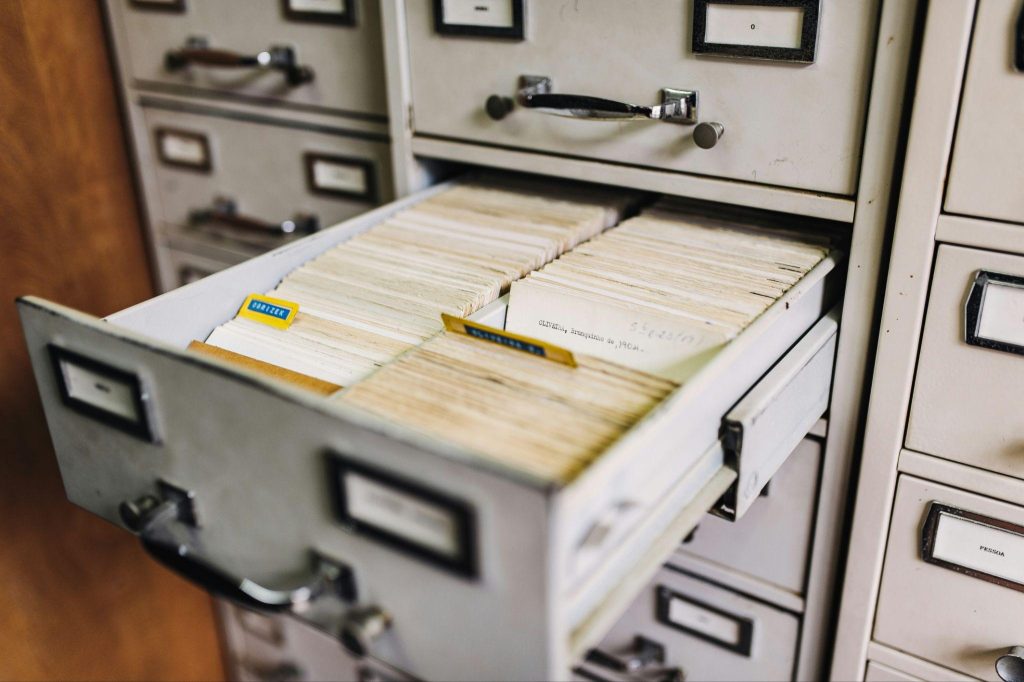
Documents that must be retained should be stored according to their importance and frequency of use. Clearly labelled folders or filing cabinets make retrieval easier, while archival boxes provide suitable storage for materials that are rarely needed.
Digitising appropriate paperwork can reduce physical storage requirements. Scanning documents and using descriptive filenames allows information to be located quickly through computer searches.
However, original copies of certain legal and financial documents may still be necessary. Checking applicable retention requirements before disposal helps prevent important records from being discarded prematurely.
Give Forgotten Gadgets a Practical Second Life
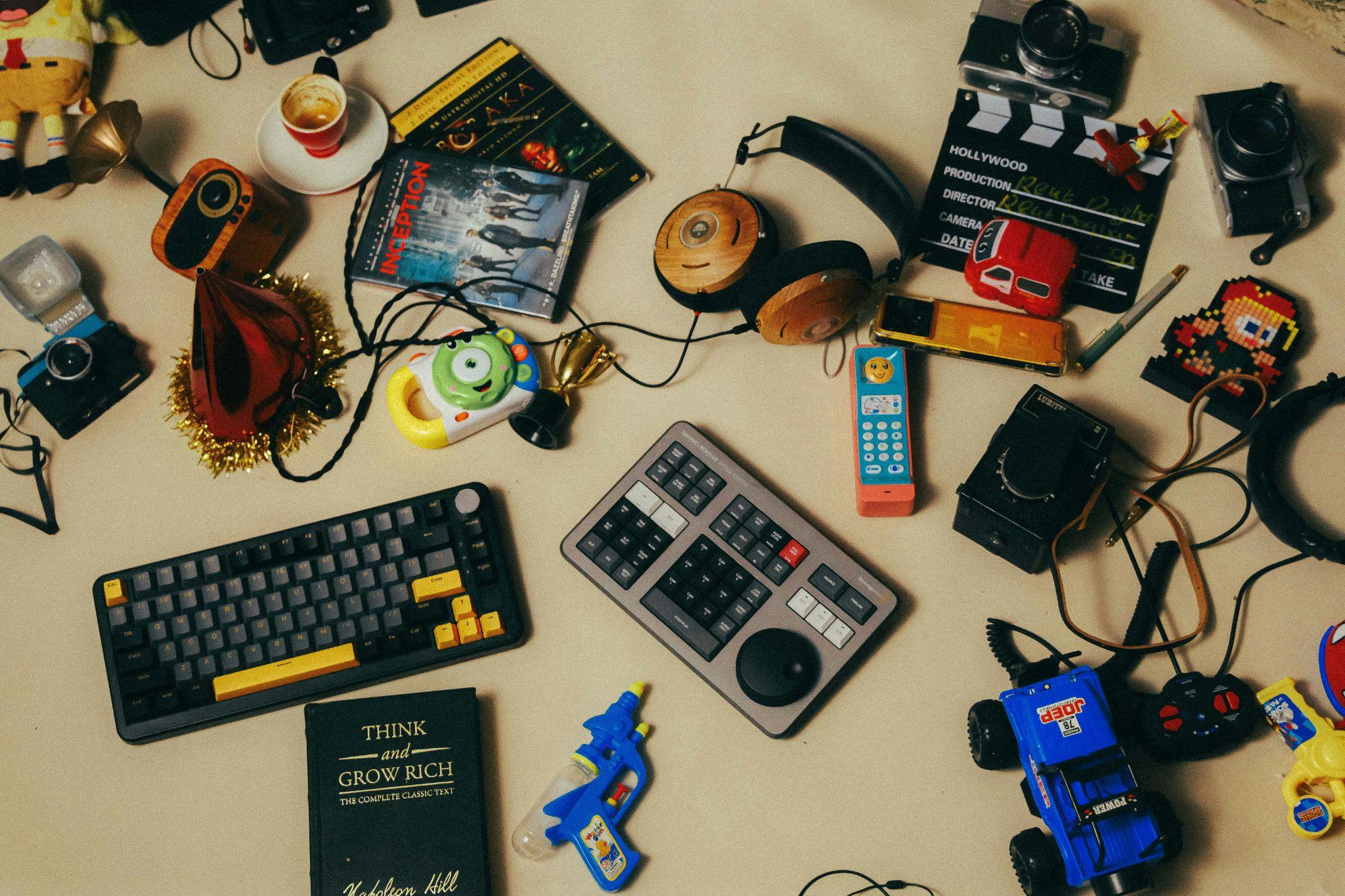
Old electronics frequently remain in storage because their owners are unsure whether they might become useful again. Smartphones, keyboards, monitors, chargers and computer accessories can accumulate long after newer equipment has replaced them.
Evaluating each device according to its condition and remaining usefulness makes sorting easier. Working electronics may be suitable for resale, donation or repurposing.
An older monitor, for example, might provide additional screen space for a home workstation. A functioning tablet could serve as a dedicated recipe display or digital photo frame.
Before donating or selling electronic devices, personal information should be removed using appropriate data-erasure procedures. Removing saved accounts and resetting devices helps protect sensitive information.
Equipment that no longer functions can be directed towards suitable electronics recycling programmes. Separating reusable devices from genuine electronic waste helps reduce clutter while making better use of existing resources.
Design Storage Spaces Around Everyday Convenience
Successful organisation depends on creating systems that remain practical after the initial cleaning project is complete. Storage arrangements should reflect how frequently different items are used rather than simply fitting everything into available cupboards.
Frequently needed materials belong in accessible locations. Items used only occasionally can be stored on higher shelves or in labelled containers away from primary work areas.
Drawer dividers are particularly useful for smaller accessories such as cables, batteries and stationery. Transparent storage boxes also make contents easier to identify without repeatedly opening containers.
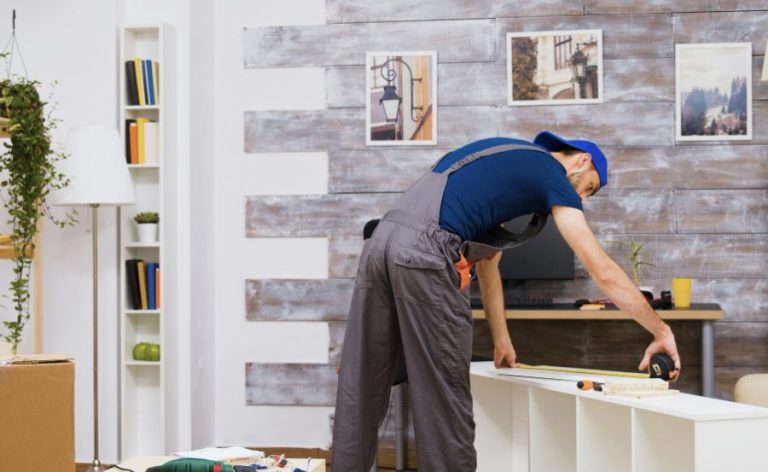
Vertical storage can help maximise limited space. Shelving units, wall-mounted organisers and stackable containers allow households and offices to make better use of existing rooms.
Leaving some storage capacity available is equally important. Completely filling every shelf makes future organisation more difficult and encourages clutter to return.
Establish Habits That Prevent Clutter From Returning
A well-organised environment is easier to maintain when regular habits prevent unnecessary accumulation. Small routines can reduce the likelihood of another major decluttering project becoming necessary.
Reviewing office supplies before purchasing replacements is one practical example. Setting aside time each month to examine paperwork, remove outdated materials and reorganise frequently used items can also maintain order.
Digital organisation deserves similar attention. Deleting duplicate files, maintaining consistent folder structures and reviewing downloaded documents helps prevent computer storage from becoming unnecessarily complicated.
Households and businesses can also establish designated areas for items awaiting repair, donation or recycling. This prevents undecided belongings from gradually spreading throughout the property.
Ultimately, organising years of forgotten possessions is about making better use of existing resources. Preserving meaningful memories, managing office supplies, reusing functional electronics and maintaining accessible records all contribute to a more efficient environment.
With sensible storage systems and consistent habits, previously cluttered spaces can become practical areas that support everyday work and personal activities.