
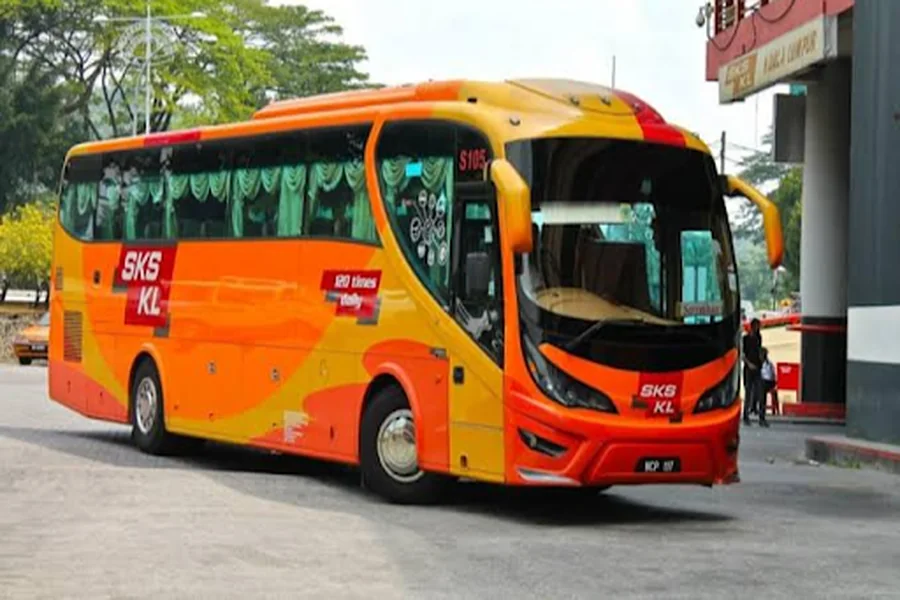
Most travellers choose a two-hour flight from Jakarta to Denpasar when planning a holiday in Bali. However, flying is not the only way to reach Indonesia’s famous island destination. An overland journey from Jakarta to Bali offers a different travel experience, taking passengers through the cities, countryside, mountains and coastal landscapes of Java before crossing the Bali Strait by ferry.
For travellers who enjoy slow travel, the journey can be an adventure in itself. You can watch the scenery change from Jakarta’s busy urban surroundings to Central Java’s agricultural landscapes and East Java’s mountainous regions. Instead of booking separate flights and airport transfers, you can also choose a direct bus service that connects Jakarta with Bali in one booking.
The journey covers approximately 1,150–1,200 kilometres, depending on the departure and arrival points. A direct bus generally takes around 22–28 hours, although traffic, ferry queues and rest stops can extend the journey. Alternatively, travellers can combine a long-distance train, ferry and local transport for a more flexible experience.
This guide compares both options, explains the costs involved, introduces online booking platforms and provides practical advice for completing the Jakarta-to-Bali journey comfortably.
Choosing Your Overland Route: Direct Bus vs. Train & Ferry
There are two main ways to travel overland from Jakarta to Bali. Your choice depends on your budget, preferred comfort level and how much time you want to spend exploring Java.
Option A: The Direct Executive or Sleeper Bus
A direct express bus is a convenient option for travellers who prefer a single booking and fewer transport transfers.
How it works
Passengers board at selected Jakarta pickup points, such as Terminal Pulo Gebang, Pondok Pinang or other operator-designated locations. The coach travels across Java using the Trans-Java road network before reaching Ketapang Ferry Port in Banyuwangi.
The bus is then transported across the Bali Strait by ferry before continuing to Bali. Depending on the operator, the final destination may be Terminal Mengwi, Denpasar or another designated drop-off point.
Estimated duration: Around 22–28 hours, depending on the service and road conditions.
Indicative ticket price: Approximately IDR 500,000–900,000+, depending on the operator, class and travel date. Recent booking listings have shown selected Jakarta–Mengwi services around IDR 550,000–600,000, but prices can change.
Operators available on selected Jakarta–Bali services include Gunung Harta, Tiara Mas, Kramat Djati, Pahala Kencana, DAMRI and other regional bus companies. Availability varies by departure date.
A direct bus is particularly useful for passengers who do not want to arrange separate train, ferry and local transport tickets. Before booking, check whether the ticket covers the entire journey to your chosen Bali destination.
Option B: The Scenic Train and Ferry Combination
If you prefer travelling by rail, combining a train and ferry is another way to reach Bali.
How it works
Start by taking a long-distance train operated by Kereta Api Indonesia (KAI) from Jakarta towards Banyuwangi. One option is the Blambangan Ekspres, which connects Jakarta’s Pasar Senen Station with Ketapang in East Java on selected schedules.
After arriving at Ketapang Station, arrange the short onward transfer to Ketapang Ferry Port. From there, take an ASDP ferry to Gilimanuk in Bali.
Once you arrive in Gilimanuk, continue by local bus, shuttle or private vehicle towards Denpasar and other destinations in South Bali.
Estimated duration: Approximately 21–23 hours of transport time under favourable connections, excluding extended waiting periods and optional stopovers.
Indicative cost: The train component alone may cost around IDR 505,000 for selected economy services or more for executive class. Add the ferry ticket and onward transport from Gilimanuk when calculating your total budget.
The Blambangan Ekspres has a journey of approximately 15–16 hours between Jakarta and Banyuwangi, depending on the station pairing and schedule.
This option is suitable for travellers who enjoy railway journeys and want the flexibility to explore cities such as Surabaya, Yogyakarta or Banyuwangi along the way.
Which Route Should You Choose?
| Travel consideration | Direct bus | Train and ferry |
| Convenience | Fewer transfers | Several transport connections |
| Booking | One main bus booking | Separate train, ferry and local transport |
| Comfort | Executive or sleeper options | Train seating and separate onward transport |
| Flexibility | Depends on bus schedule | More flexibility for stopovers |
| Best suited for | Travellers seeking simplicity | Travellers who enjoy scenic rail journeys |
Remember that the cheapest option depends on the actual travel date. Compare the complete journey cost rather than looking only at the bus or train ticket price.
Breaking Down the Journey: Key Leg-by-Leg Milestones
Understanding each stage of the journey helps you plan your arrival times, meal stops and onward transport.
Leg 1: Jakarta to Central and East Java
The first stage takes you out of Jakarta and across Java.
For direct buses, the journey generally follows the Trans-Java road network. Depending on the operator and route, you may pass through or near cities such as Cirebon, Semarang, Solo, Surabaya and Probolinggo.
Travellers taking the train can enjoy a different perspective of Java’s countryside, including agricultural areas, towns and mountainous landscapes along the railway.
If you have additional time, consider breaking up the journey with a stopover.
Yogyakarta: Known for its cultural attractions, traditional arts and historic temples, Yogyakarta is a worthwhile destination for travellers interested in Indonesian heritage.
Probolinggo and Malang: These cities provide access to East Java’s mountainous attractions, including the famous Mount Bromo region. A longer stopover is recommended if you want to explore the area rather than simply pass through.
Leg 2: Reaching Banyuwangi, Java’s Eastern Tip
Banyuwangi is the final major gateway on the Java side before crossing to Bali.
Passengers travelling by direct bus will generally continue towards Ketapang Ferry Port as part of the operator’s scheduled journey.
Train passengers using the Blambangan Ekspres can travel towards Ketapang Station, depending on the selected service and timetable. Check your arrival station carefully because Banyuwangi has several railway stations.
If your train arrives at a different station, you may need additional transport to reach the ferry terminal.
Ketapang is an important crossing point connecting East Java with Bali. Before arriving, make sure your ferry arrangements are confirmed if you are travelling independently.
Leg 3: Crossing the Bali Strait: Ketapang to Gilimanuk
The next stage is the ferry crossing between Ketapang in Banyuwangi and Gilimanuk in Bali.
The crossing usually takes approximately 45–60 minutes under normal operating conditions. However, waiting times can increase due to vessel availability, weather, port traffic and holiday demand.
The ferry service uses roll-on/roll-off vessels, which can transport buses, cars, motorcycles and foot passengers.
If you are travelling independently by train and on foot, arrange your ferry ticket through the official Ferizy website. Select Ketapang as your departure port and Gilimanuk as your destination.
Important time-zone difference
Remember that Bali is one hour ahead of Jakarta and Java.
- Jakarta and Java: WIB (UTC+7).
- Bali: WITA (UTC+8).
For example, if it is 10:00 AM in Ketapang, it is already 11:00 AM in Gilimanuk. Remember to adjust your watch when planning onward transport and hotel check-in.
Leg 4: Gilimanuk to Denpasar and South Bali
After arriving in Gilimanuk, you still have a considerable distance to cover before reaching the main tourist areas.
The drive from Gilimanuk towards Mengwi and Denpasar generally takes around 3.5–4.5 hours, depending on traffic, weather and the final destination.
Along the way, passengers can experience West Bali’s coastal scenery, countryside and mountain landscapes.
Depending on your transport arrangement, possible destinations include:
- Mengwi: A major bus terminal and transport connection for passengers travelling towards Denpasar.
- Canggu: A popular destination known for beach clubs, cafés and surfing.
- Kuta: A lively tourist area with hotels, shopping and nightlife.
- Ubud: A destination known for its rice terraces, art, wellness retreats and cultural attractions.
If you are taking a direct bus, confirm whether your ticket ends at Mengwi or another location. You may need to arrange additional transport to reach your hotel.
How to Book Tickets Online
Booking online makes it easier to compare prices, departure times and available operators before starting your journey.
The best booking method depends on whether you are travelling by direct bus or combining a train and ferry.
Booking Direct Jakarta–Bali Bus Tickets
Travellers can compare direct bus services through platforms such as Easybook, redBus, Traveloka and BusOnlineTicket.
These platforms allow passengers to check available departure dates, pickup points, arrival terminals and ticket prices.
For example, Easybook lists Jakarta–Bali services connecting locations such as Terminal Pulo Gebang and Terminal Mengwi. Recent listings have shown selected fares from approximately IDR 550,000, although the actual price depends on the travel date and available seats.
Use the following links to explore available services:
- Book Jakarta to Bali bus tickets on Easybook
- Compare Jakarta to Denpasar services on Traveloka
When selecting a bus, check the following details:
- Departure location in Jakarta.
- Arrival location in Bali.
- Bus class and seating arrangement.
- Estimated journey duration.
- Luggage allowance.
- Whether the ferry crossing is included.
- Cancellation and rescheduling conditions.
If you are planning your return journey, you can also compare the available tiket bus bali jakarta options. Check the return departure terminal carefully, as services may depart from Mengwi, Ubung or other designated locations.
For the return route, visit Easybook’s Bali–Jakarta bus booking page.
Booking Trains and Ferries Separately
If you prefer the train-and-ferry route, you will need to arrange the different parts of your journey.
- Book your train through Access by KAI
Use the official Access by KAI application or an authorised booking platform to search for trains from Jakarta to Banyuwangi.
Look for the Blambangan Ekspres or suitable connecting services. Confirm the arrival station and timetable before paying.
KAI’s published booking guidance allows many intercity train tickets to be reserved from 45 days before departure, although specific ticket rules may differ.
- Book the Ketapang–Gilimanuk ferry through Ferizy
If you are travelling independently as a foot passenger, use Ferizy to arrange your ferry crossing.
The official Ferizy terms allow reservations from 60 days until one hour before the selected port-entry time, subject to operational changes. Make sure your booking details match your travel documents.
- Arrange onward transport from Gilimanuk
After arriving in Bali, continue towards Denpasar, Mengwi or your accommodation using a local bus, shuttle or private transfer.
Allow enough time between your ferry arrival and onward departure, particularly during busy travel periods.
Seat Selection Tips
Your seat choice can influence how comfortable the journey feels.
For double-decker sleeper buses: Check the seating layout before booking. Upper-level sleeper pods may offer a different view, while lower-level seats may be more convenient for passengers who prefer easier access.
For executive buses: Consider the 2+1 seating arrangement if you want additional personal space.
For trains: Window seats allow you to enjoy more of Java’s changing scenery. If you have a preferred side of the train, remember that views depend on the direction of travel and the railway section.
What to Expect Onboard: Sleeper Buses & Indonesian Trains
The Jakarta-to-Bali journey is a long trip, so choosing the right transport class can make a significant difference to your comfort.
Sleeper Bus Perks
Some operators offer premium sleeper or semi-sleeper services for long-distance routes.
Depending on the bus model and ticket class, facilities may include:
- Reclining or lie-flat sleeping seats.
- Personal privacy curtains.
- Individual entertainment screens.
- USB charging ports.
- Blankets or pillows.
- Air-conditioning.
- Meal stops or selected included meals.
Some operators provide a meal as part of the journey, often referred to as servis makan. Check the ticket details to understand whether meals are included or need to be purchased separately.
Sleeper layouts also vary. Not every bus advertised as a sleeper service provides fully flat beds, so review the actual seating configuration before booking.
KAI Executive and Panoramic Trains
Travelling by train offers a different experience from sitting on a bus for more than 20 hours.
KAI executive services generally provide reclining seats, air-conditioning and more structured seating arrangements. Some trains also provide dining facilities or access to food and drinks during the journey.
Panoramic trains are a separate premium service with specialised viewing features. They should not be assumed to operate on every Jakarta–Banyuwangi departure.
If you want a comfortable rail journey, compare the available train class, seat layout and facilities before choosing.
Important Realities of Long-Distance Travel
Even premium transport has limitations.
Bus toilets: Some long-distance buses have onboard toilets, but facilities differ by vehicle. Certain operators restrict onboard toilet use to urination only. Confirm the policy before travelling.
Strong air-conditioning: Bus and train cabins can feel cold, especially overnight. Bring a jacket or travel blanket.
Traffic delays: Java’s major roads can become congested during public holidays and peak travel periods. A journey advertised as 24 hours may take considerably longer.
Rest stops: Direct buses normally include scheduled stops for meals and restroom breaks. Keep your personal belongings with you whenever you leave the vehicle.
Essential Packing List & Survival Tips for the 24+ Hour Haul
A journey lasting more than 20 hours requires more preparation than an ordinary intercity trip. Packing the right items can help you stay comfortable and organised.
Bring Warm Clothing
Air-conditioning can become uncomfortable during overnight travel. Pack:
- A hoodie or light jacket.
- Long trousers.
- Thick socks.
- A small travel blanket, if needed.
These items are especially useful if you plan to sleep during the journey.
Prepare a Personal Comfort Kit
Keep a small pouch with essential personal items, including:
- Eye mask.
- Earphones or earplugs.
- Wet wipes.
- Hand sanitiser.
- Toothbrush and toothpaste.
- Basic personal medication.
- Tissues.
Having these items within easy reach is more convenient than opening your main luggage at every rest stop.
Prepare Connectivity and Cash
Download offline maps and save your hotel address before leaving Jakarta. Mobile connectivity may vary along certain stretches of the route.
Bring a power bank with sufficient capacity for your devices. A 10,000 mAh or larger power bank can be useful for a long journey, subject to applicable transport safety rules.
Keep some Indonesian Rupiah in small denominations, such as IDR 10,000–50,000 notes. Cash can be useful for snacks, drinks, small purchases and facilities at highway rest stops.
Protect Your Valuables
Keep important belongings in a small daypack that stays with you throughout the journey.
Items to keep close include:
- Passport or identification.
- Wallet and cash.
- Mobile phone.
- Camera and electronics.
- Medication.
- Booking confirmations.
When the bus boards the ferry, follow the crew’s safety instructions. Passengers should not assume they can remain inside the bus throughout the crossing. Ferry operators generally direct passengers to leave vehicles and use designated passenger areas. <Cite refs={[“turn837363search35″,”turn694477search0”]}/>
Frequently Asked Questions (FAQ)
Is the Jakarta-to-Bali bus ticket inclusive of the ferry fare?
For a direct Jakarta–Denpasar or Jakarta–Mengwi bus service, the ferry crossing is normally incorporated into the through-journey arrangement.
However, always confirm the inclusions on your ticket or with the operator. If you are travelling independently by train and ferry, you will need to arrange your own ferry ticket through Ferizy.
Do I get off the bus while it is on the ferry?
Passengers travelling on a bus transported by ferry should follow the crew’s instructions. On the Ketapang–Gilimanuk crossing, passengers are generally required to leave the vehicle and move to the designated passenger area.
Do not remain inside the bus or on the vehicle deck if the crew instructs passengers to disembark. Keep essential belongings with you and return to the vehicle only when authorised.
When is the worst time to travel overland across Java?
The busiest periods often include the Eid al-Fitr Mudik and return-flow periods, Christmas, New Year and major school holidays.
During Mudik, large numbers of people travel from major cities to their hometowns. Roads and ferry terminals can experience heavy congestion, potentially increasing journey times.
If you need to travel during these periods, book early and allow additional time for traffic and ferry delays. Government authorities also introduce special traffic and crossing arrangements during major holiday periods. <Cite refs={[“turn577719search5″,”turn577719search7”]}/>
How do I get from Mengwi Bus Terminal to Canggu, Seminyak or Ubud?
After arriving at Terminal Mengwi, you can arrange a local taxi, private transfer or app-based transport where available.
Gojek and Grab are commonly used for app-based transport in Bali, although pickup arrangements can vary by terminal and local regulations.
If your chosen pickup point is not convenient, check the designated meeting area before ordering a ride. Avoid assuming that your driver can collect you directly from every part of the terminal.
For longer journeys to Ubud or other areas, compare the total fare before confirming your ride.
Conclusion
Travelling from Jakarta to Bali without flying is an opportunity to experience more of Indonesia along the way. Whether you choose a direct executive bus or combine a long-distance train with a ferry, the journey takes you across Java before reaching Bali through the Ketapang–Gilimanuk crossing.
A direct bus offers a simpler transport arrangement, while the train-and-ferry combination gives you more flexibility to explore cities and attractions along the route. Both options require careful planning, particularly when checking departure times, ferry arrangements and onward transport.
Before deciding, compare the complete biaya ke bali dari jakarta, including your transport ticket, ferry costs, meals, stopovers and local transfers. If you are planning to return to the capital, remember to check the available tiket bus bali jakarta services as well.
Start planning your overland adventure by comparing Jakarta-to-Bali bus tickets on Easybook, check the available departure times and choose a journey that matches your budget and travel style.