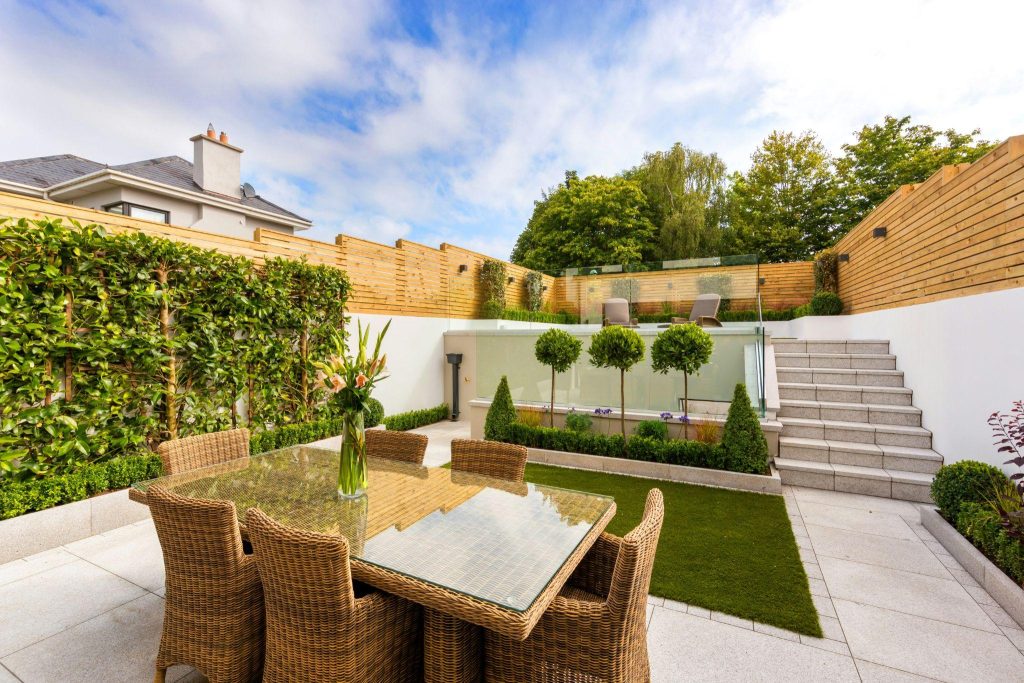
A backyard can be much more than an outdoor area that requires regular mowing and maintenance. With thoughtful planning, even a modest garden can become a comfortable retreat where homeowners unwind, spend time with family, and enjoy peaceful moments away from everyday responsibilities.
- Create a Dedicated Outdoor Wellness Area
- Choose Comfortable Furniture That Encourages Longer Outdoor Visits
- Use Plants and Natural Elements to Create a Peaceful Atmosphere
- Improve Privacy Without Making the Backyard Feel Enclosed
- Introduce Outdoor Lighting That Feels Warm and Inviting
- Design Different Zones for Relaxation and Everyday Activities
However, creating a relaxing outdoor environment does not necessarily require expensive landscaping or major construction projects. Simple improvements involving seating, greenery, lighting, and privacy can dramatically change how a backyard looks and feels.
The most inviting outdoor spaces combine practical features with personal touches that reflect how homeowners prefer to spend their free time. Whether the goal is to create a quiet reading corner, an entertaining area, or a private wellness retreat, small design decisions can make a significant difference.
By focusing on comfort, functionality, and atmosphere, homeowners can transform ordinary backyards into welcoming spaces that encourage relaxation throughout the year.
Create a Dedicated Outdoor Wellness Area
One effective way to make a backyard more relaxing is to establish a specific area dedicated to personal wellbeing. Having a comfortable space away from indoor distractions can encourage homeowners to spend more time outdoors.
A wellness corner might include a small deck, comfortable loungers, privacy screens, and carefully selected plants. Natural materials such as wood and stone help create a peaceful atmosphere that blends with the surrounding landscape.
For homeowners interested in adding a distinctive relaxation feature, a barrel sauna can become an attractive centrepiece within a dedicated outdoor wellness area. Its rounded wooden design complements many garden styles while creating a private space for unwinding.
Positioning wellness features away from busy entertaining areas can improve privacy and reduce distractions. Surrounding the space with greenery or decorative screening helps establish a more secluded atmosphere.
Before installing larger outdoor features, homeowners should consider available space, access, ventilation, suitable foundations, and any relevant local requirements.
A thoughtfully arranged wellness area can make everyday relaxation feel like a natural part of life at home.
Choose Comfortable Furniture That Encourages Longer Outdoor Visits
Outdoor furniture has a major influence on whether a backyard feels inviting or simply decorative. Attractive chairs and tables may look impressive, but they offer limited value if they are uncomfortable for extended use.
Homeowners should begin by considering how they intend to use the space. Someone who enjoys reading outdoors may prefer a deep armchair with supportive cushions, while families who frequently entertain might benefit from a modular seating arrangement.
Weather-resistant materials are especially important. Aluminium, treated wood, and outdoor fabrics designed to withstand moisture and sunlight can provide durability without requiring excessive maintenance.
Adding cushions, throws, and outdoor rugs can soften the appearance of patios and decks. These accessories create a more welcoming atmosphere while helping outdoor spaces feel connected to the home’s interior.
Furniture placement deserves attention as well. Arranging seating around a central table or garden feature encourages conversation, while positioning individual chairs towards attractive views creates quieter areas for relaxation.
The most successful layouts provide enough room to move comfortably without making the backyard feel crowded.
Use Plants and Natural Elements to Create a Peaceful Atmosphere
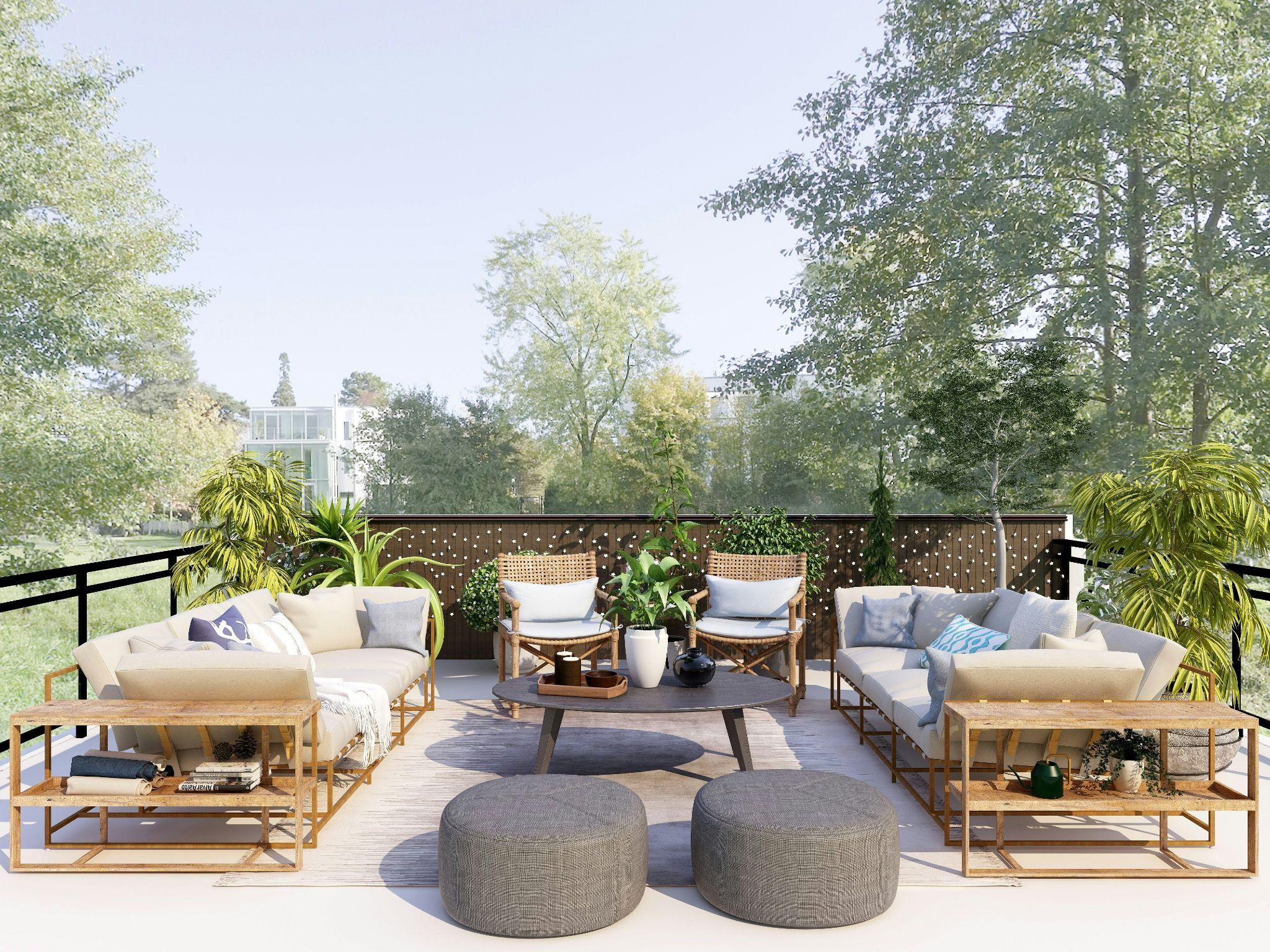
Greenery is one of the simplest ways to introduce tranquillity into an outdoor space. Plants provide colour, texture, and seasonal interest while helping soften hard landscaping features such as fences, paving, and walls.
Layering vegetation at different heights can create a more natural appearance. Small flowering plants, medium-sized shrubs, and taller ornamental grasses work together to introduce depth without overwhelming the garden.
Fragrant plants can add another sensory dimension. Lavender, rosemary, and jasmine may contribute pleasant aromas when grown in suitable climates and conditions.
Homeowners should prioritise species that match their local environment and available maintenance time. A garden requiring constant watering, pruning, and replacement may eventually become another source of stress.
Container gardening offers flexibility for smaller backyards. Decorative pots can define seating areas, introduce greenery to patios, and be rearranged as preferences change.
Natural elements such as decorative stones, timber borders, and gravel pathways can further improve the atmosphere.
Combining manageable planting schemes with comfortable outdoor features creates a garden that feels peaceful without becoming difficult to maintain.
Improve Privacy Without Making the Backyard Feel Enclosed
Relaxation becomes more difficult when a backyard feels exposed to neighbouring properties or busy streets. Improving privacy can make outdoor spaces more comfortable, particularly for homeowners who enjoy quiet mornings or evening gatherings.
Privacy does not always require installing tall fences around the entire property. Strategic screening can provide separation while maintaining an open, attractive appearance.
Wooden slatted panels, climbing plants, and decorative trellises are useful options for defining individual areas. They can also introduce visual interest and complement existing landscaping.
Tall planters offer another practical solution, especially on patios where permanent structures may be unsuitable.
Homeowners should consider sunlight and airflow when planning privacy features. Dense screening positioned incorrectly may create excessive shade or make a small garden feel cramped.
A balanced approach protects the most frequently used relaxation areas without unnecessarily restricting the surrounding space.
The result should feel sheltered and welcoming rather than isolated from the natural environment.
Introduce Outdoor Lighting That Feels Warm and Inviting
Lighting can completely change the atmosphere of a backyard after sunset. Harsh floodlights may provide visibility, but softer illumination is generally better suited to creating a relaxing outdoor environment.
Layered lighting allows homeowners to combine practical safety features with decorative effects. Pathway lights improve navigation, while warm string lights can make seating and dining areas feel more intimate.
Solar-powered lighting offers a convenient option for certain garden locations, particularly where installing additional electrical wiring would be complicated.
Small spotlights positioned near trees or architectural features can create attractive shadows and highlight interesting textures.
However, excessive illumination may reduce the peaceful atmosphere and disturb neighbouring properties or wildlife.
Choosing warm light temperatures and directing fixtures carefully helps create a more comfortable setting.
For larger installations, outdoor-rated equipment and professional electrical work are important safety considerations.
Thoughtful lighting extends the usefulness of a backyard into the evening while making the space feel welcoming without relying on expensive renovations.
Design Different Zones for Relaxation and Everyday Activities
A backyard becomes more functional when different activities have clearly defined spaces. Even relatively small gardens can accommodate several purposes without feeling overcrowded.
A shaded corner might serve as a quiet reading area, while a patio near the house can provide space for meals and conversations. Open lawn areas may remain available for children, pets, or informal recreation.
Creating these zones does not necessarily require walls or permanent divisions. Outdoor rugs, planting beds, furniture arrangements, and changes in paving materials can subtly separate activities.
Shade is another important consideration. Pergolas, umbrellas, and suitable trees can make outdoor seating more comfortable during warmer weather.
Homeowners should also think about maintenance when selecting materials and planning layouts. Easy-to-clean surfaces and accessible storage help keep relaxation areas organised.
Ultimately, creating a peaceful backyard is about designing an environment that suits everyday habits rather than following elaborate landscaping trends.
By combining comfortable seating, thoughtful greenery, privacy, lighting, and dedicated relaxation features, homeowners can transform their outdoor spaces into personal retreats. A well-planned backyard provides opportunities to slow down, enjoy fresh air, and make better use of the space already available at home.