Most people who own a building with a backflow assembly think they’re done once a tester signs the form. That form is one of two separate things, and treating them as the same is how folks end up with a failed inspection, a shut off water line, or a fine from the water utility that nobody warned them about.
I’ve watched this trip up small landlords, restaurant owners, and even a few facility managers who should know better. The test is the measurement. Certification is the paperwork that proves the measurement happened, on time, by someone the utility accepts. You need both, and the gap between them is where trouble lives.
If you’re tired of chasing that gap yourself, a crew that handles professional backflow certification services can carry it from the gauge to the filed record. But you should still understand what’s happening, because the responsibility stays with you, the building owner, no matter who holds the wrench. That’s the whole reason this matters.
Test versus certification, in plain terms
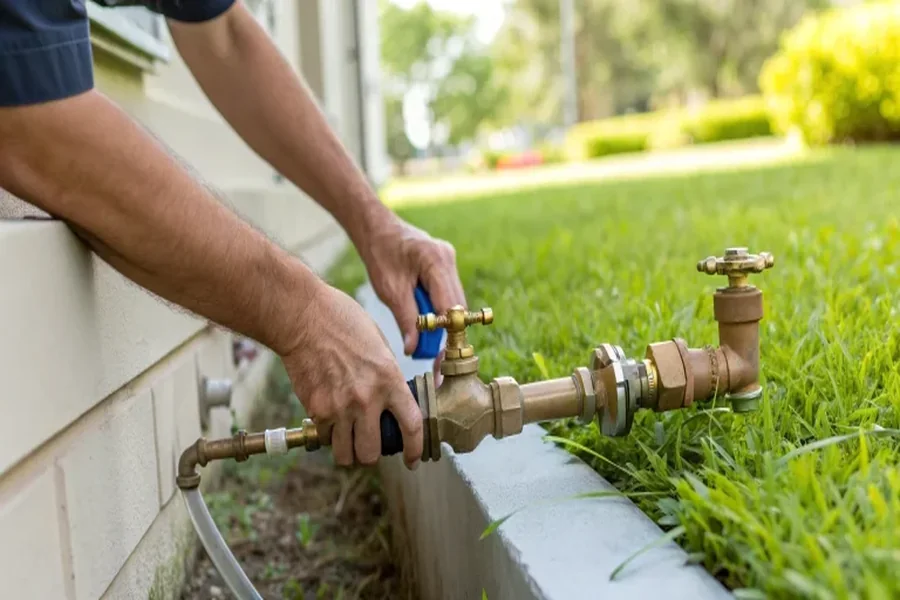
A backflow test checks whether the device on your water line still stops dirty water from reversing into the clean supply. The tester attaches gauges, runs pressure differentials, and records whether the assembly passes. That’s the physical act.
Certification is the second half: a licensed and certified tester documents the result on the form your local water authority requires, submits it by the deadline, and confirms the device is registered in the utility’s tracking system. Miss the submission and your passing test counts for nothing.
The device being tested. Most commercial properties and many homes with irrigation or boiler systems have one, and it needs an annual check in most jurisdictions, because the seals and springs inside wear out quietly.
The record being filed. This is the piece that gets dropped. A tester who shows up, runs a gauge, and hands you a carbon copy hasn’t necessarily certified anything with the utility that actually cares.
Here’s my take: the paperwork half is where I’d put my attention if I were managing properties. Anyone can find a tester with a gauge. Finding one who confirms the filing before they leave the lot is rarer.
Why the annual clock runs whether you notice or not
Backflow devices sit in basements, mechanical rooms, and vaults. You don’t look at them. So the wear happens invisibly, and the yearly deadline is the only thing forcing a look. Municipal water systems treat that deadline seriously because a failed device can let contaminants into the same pipes your neighbors drink from. According to the Environmental Protection Agency, protecting drinking water from cross-connections is a core piece of safe water delivery, which is why utilities push the testing requirement onto property owners in the first place.
What happens when you ignore it? In a lot of cities, the water utility can suspend service to the building until the test is filed. That’s not a scare tactic. For a restaurant, a shut off line on a Friday afternoon is a lost weekend of revenue and spoiled inventory. For an apartment building, it’s a tenant relations nightmare.
And the clock doesn’t care that your last tester retired, sold the route, or stopped returning calls. The deadline is the deadline. If you’ve ever scrambled to find someone in the final two weeks before a compliance notice, you already know why I recommend booking well ahead of the renewal month.
What a good certification visit actually looks like
This is the practical part. When a crew shows up, you should be able to track a clear sequence, and if any step is missing, ask about it before they pack up.
- Device identification. They locate the assembly, read the make, model, and serial number, and confirm it matches what the utility has on file. A mismatch causes filing headaches later.
- Gauge and test. They attach test kits, run the pressure checks, and record the results. A failing device gets a repair or replacement recommendation, not a shrug.
- Form completion. They fill out the local test report with the correct device details and pass or fail result.
- Submission confirmation. This is the one to insist on. Get a copy of the filed form or a receipt showing it went to the utility, with a date.
If a tester can’t tell you how and when they’ll submit the form, that’s your signal. The person holding the gauge isn’t always the person who handles the filing, and the handoff between them is where documents go missing. Ask up front, not three weeks later when the notice arrives.
The maintenance you can do between visits
You’re not going to service the internals yourself, and you shouldn’t. But you can keep the device from failing for dumb reasons. Clear debris and vegetation away from the vault or enclosure. Make sure the mechanical room stays accessible, because a tester who can’t reach the assembly can’t test it, and you still pay for the trip. Note the manufacturer name and model where you can find it, so scheduling doesn’t stall on a hunt.
Keep a simple file, paper or digital, with the last few test reports and submission confirmations. When you sell the building or a utility auditor asks, that folder saves you a week of calls. I’d argue this one habit does more for property owners than any single upgrade, because it turns a recurring annoyance into a five minute check.
When to repair, when to replace
A failed test doesn’t automatically mean a new device. Often it’s a worn check valve or a rebuild kit, and a repair gets you through the next cycle. Replacement makes more sense when the assembly is old, parts are scarce, or it’s failed repeatedly. A plumber who handles these regularly can tell you which path is cheaper over a few years, and I’d push for that honest comparison rather than the fast sale.
Ask what the device protects. An irrigation line that trips in summer is a small problem. A boiler feed or a fire suppression connection is a bigger one, and the stakes should shape how quickly you act. Treating all backflow assemblies as identical is how people underreact to the important ones.
Choosing someone who closes the loop
Look for a licensed plumber who’s certified to test in your jurisdiction, and confirm the certification is current. Trade groups like the American Society of Plumbing Engineers exist partly because this work sits at the intersection of plumbing skill and code compliance, and certification standards live there. Ask two specific questions: do you submit the form for me, and will you send me proof it was accepted? A yes to both, with a clear process, beats a lower price every time.
One more thing worth knowing. The testing field is steady work tied to building codes and water regulations, which is why plumbing remains a reliable trade. Baseline figures from the Bureau of Labor Statistics show plumbing among the trades with consistent demand, so a qualified tester should be findable if you plan ahead instead of panicking.
The bottom line on backflow
The test measures. The certification proves it to the utility. You own the outcome either way, so pick a tester who handles both halves and shows you the filed record. Do that, keep a simple folder of the paperwork, and the annual deadline turns into a routine task instead of a fire drill.
So here’s my question for you: when was the last time you actually saw the submission confirmation for your building’s backflow test? If you can’t put your hand on it, that’s exactly where I’d start this week.