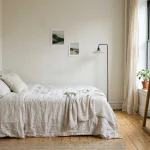
A quiet study corner in a shared home comes down to three things: a spot away from the busiest rooms, a few cheap ways to soften sound, and an agreement with the people you live with about when you need quiet. You do not need a separate room.
The ideas below suit a bedroom corner, a dining-room end or a small nook, and none of them needs tools.
Where Is the Best Spot for a Study Corner?
The best spot is the one furthest from the television, the kitchen and the front door. Noise travels along hallways and through thin walls, so a corner at the quiet end of a bedroom usually beats a desk in the living room.
Look at the space for a few minutes at different times of day. Notice when it is loud, where daylight comes in and whether people walk behind your chair. A desk that faces a wall or window is less distracting than one facing the room.
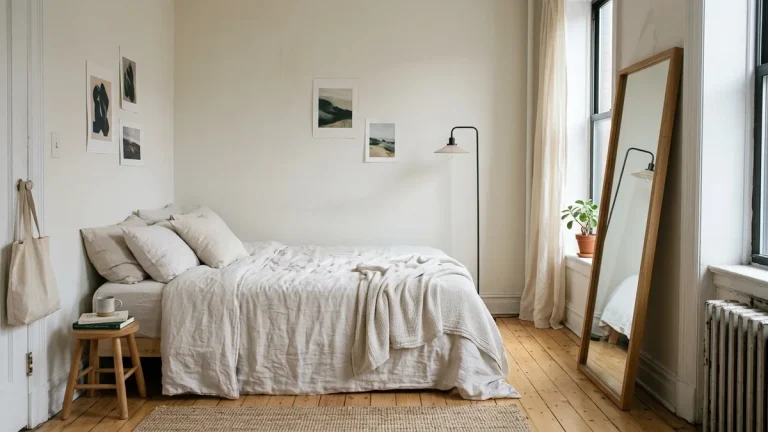
If a bedroom doubles as your study space, keep the desk away from the bed where you can. Studying on the bed makes it harder to switch off at night.
Small touches make a corner feel like a place for work. A plant, a pinboard or one framed photo gives it an identity, so your brain links that spot with focus. Keep your phone out of arm’s reach during study blocks, in a drawer or on a shelf across the room.
How Can You Reduce Noise Without Building Anything?
Soft materials absorb sound, and hard surfaces bounce it around. A rug, curtains, a bookcase against a shared wall and a fabric chair all take the edge off noise, and you can take them with you when you move.
- Put a draft stopper or a rolled towel along the bottom of the door.
- Use a rug under the desk and chair, and felt pads on chair legs so scraping is quieter.
- Close the door, and close windows that face a busy street, while you work.
- Try over-ear headphones or earplugs for focus sessions. If you use noise cancellation, keep the volume low enough to hear a smoke alarm or doorbell.
A white-noise machine or a fan can mask irregular sounds such as voices through a wall, since steady sound is easier to ignore than sudden sound. None of these makes a room silent. They reduce what reaches you, which is often enough for reading and writing.
What Makes a Desk Setup Comfortable?
A comfortable setup lets your feet rest flat, your arms hang relaxed and your eyes look slightly down at the screen. Common workplace guidance, including OSHA’s computer workstation pages, puts the top of the screen at or just below eye level and suggests feet flat on the floor or on a footrest.
OSHA also notes that there is no single correct posture for everyone, so adjust until you feel relaxed and not strained. If your laptop sits low, raise it on a stack of books and use a separate keyboard.
Lighting matters as much as furniture. Put the desk where daylight comes from the side, and add a desk lamp for the evening. A lamp on the side opposite your writing hand keeps your hand from casting a shadow on the page.
If your neck, back or wrists hurt regularly, talk to a doctor or physical therapist instead of trying to fix it with furniture alone.
How Do You Agree on Quiet Time With Housemates?
Ask early, be specific and offer something back. A short conversation about the hours you need quiet works better than a note on the fridge after an argument.
Say when you have exams or deadlines, and ask when others have theirs. People are usually happy to help if the request is reasonable and has an end date.
Agree on times, not rules. “Quiet from 7 to 9 on weeknights” is easier to follow than “please be quieter.”
A few small signals help:
- A sign on the door or a pair of visible headphones means “please do not interrupt.”
- A shared calendar or group chat can show who needs quiet and when.
- Swap spaces when you can. If someone needs the living room for a call, you might take the library for that hour.
What If Home Is Too Loud to Study at All?
Use another place for the loudest hours. Most schools have libraries, study rooms and quiet floors, and many public libraries offer free seating. Check opening hours and any rules about food, calls and booking.
A hybrid approach often works. Do reading and flashcards at home, where noise matters less, and save writing or problem sets for a library session.
If noise from neighbors or housemates is serious and constant, check your lease or residence rules for quiet hours. Speak to the people involved first, then raise it with the landlord or housing office if it continues.
Frequently Asked Questions
Do you need a proper desk?
No. A stable table at a comfortable height is enough. What matters is that the surface is steady, you can sit upright and your things stay in one place.
Is background music a good idea?
It depends on the person and the task. Some people focus better with quiet or steady sound, and others find lyrics distracting during reading. Try a few study sessions with and without music and keep what works.
How can you keep the corner from turning into a dumping ground?
Give it a small tray or box for pens and papers and clear it at the end of each session. A tidy surface makes it easier to start again the next day.