
A weekend trip on a student budget works best when the total is fixed before anything is booked. Choose the amount you can spare, split it across transport, a bed, food and activities, and keep a small buffer for surprises. The sections below show where each part usually saves money and where costs tend to hide.
How Much Should a Weekend Trip Cost?
It should cost whatever total you can spare without touching money set aside for rent, bills or course costs. There is no standard figure, because a train ride to a nearby city and a flight abroad sit in very different price ranges.
Start from the cap and work backward. Write the total down, give each part of the trip a share, and only then start comparing prices. If transport alone swallows most of the budget, the destination is too far for this weekend. A closer place is a better fix than eating nothing but instant noodles for two days.
| Part of the trip | Decide first | Usual way to save |
|---|---|---|
| Transport | Mode of travel, day and time | Travel off-peak, book early, compare the full door-to-door cost |
| A bed | Number of nights and who shares | Shared rooms, splitting a room with friends, checking every fee |
| Food | Which meals you will self-cater | Shop breakfast, one sit-down meal a day |
| Activities | Two or three must-dos | Free sights, museum free days, student entry where you qualify |
| Buffer | A small fixed amount | Spend it only on real surprises |
A buffer of around a tenth of the total is a sensible starting point. If it is still untouched on the way home, it becomes a treat or goes back into savings.
What Is the Cheapest Way to Get There?
The cheapest way is usually the slowest option at the quietest time, once you add up the full cost from your door to the destination. A low flight fare can lose its edge after bag fees and a pricey transfer from a distant airport.
Airlines set their own cabin bag rules, and many low fares include only a small bag that fits under the seat. Check the bag allowance before you compare. For trains and coaches, leaving a few hours earlier or later, or travelling on a Friday morning instead of the evening, often changes the fare.
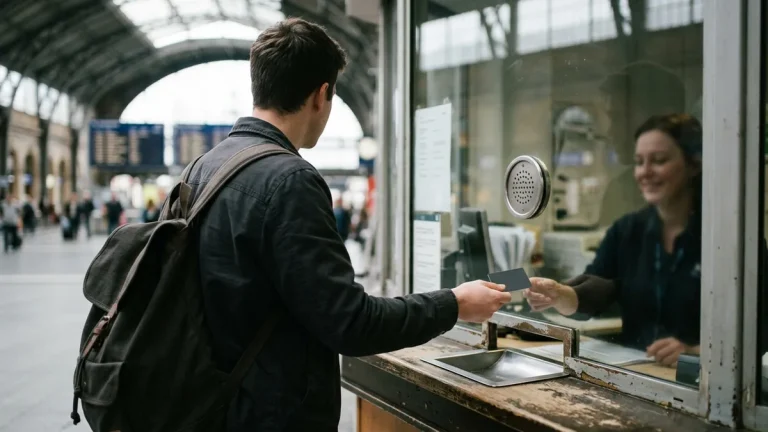
Some rail operators sell cards that take a share off fares for young people or students. The 16-25 Railcard in Britain, for example, advertises a third off many rail fares. These cards come with their own eligibility rules and conditions, so read them before you count on the saving. They are meant for people who actually qualify, and showing a card or ID that is not yours can break the operator’s terms.
Where Can You Stay Without Overpaying?
A shared room in a hostel, or one guesthouse room split between friends, is usually the lowest-cost way to sleep for a night or two. Private rooms in the city centre sit at the other end.
Compare the total price, not the headline rate. Cleaning fees, service fees and local charges can change the order of your shortlist. Some cities also add a small tourist tax per night, often paid at the property, so look for it in the booking terms.
Location matters as much as price. A cheaper bed on the far edge of town can cost more in daily transport, and a late arrival is easier when the place is close to the station. The UK government’s guidance for independent travellers suggests booking at least the first night before you leave, so you are never searching for a bed with a heavy bag on your back. Free cancellation is worth a small premium if your plans might change.
How Do You Keep Food and Activities Cheap?
Self-cater one or two meals a day and spend your food money on one meal you will remember. Breakfast from a shop and a picnic lunch cost far less than three restaurant meals.
- Eat your main meal at lunch when the place offers a set menu, as these are often cheaper than dinner.
- Carry a refillable water bottle, after checking that the local tap water is safe to drink.
- Walk the city before you pay for anything. Parks, markets, viewpoints and old streets are often free.
- Look for museum free days or reduced entry. Student prices usually need a valid student ID, and they are for eligible students only.
- Pick two or three activities you really want and leave the rest of the day open.
A rough plan keeps costs honest without turning the weekend into a spreadsheet. Booking the paid activity early, before the trip, also takes it out of the pool of money you might spend on impulse.
How Do You Stay on Budget Once You Are There?
Split the cap into a daily limit and check it each evening. Divide what is left by the number of days remaining, and adjust tomorrow’s plan instead of feeling guilty about today.
Fix the total first, then book the biggest cost first. Everything else bends around it.
A notes app is enough for tracking. Also check what your bank charges for card payments and cash withdrawals abroad before you leave, and take a small amount of cash for places that do not accept cards. The UK government’s travel guidance also advises making sure you can reach your money quickly in an emergency, which is a good reason not to spend your last coins on the first day.
Is It Cheaper to Travel With Friends?
Per person, it usually is. Shared rooms, shared taxis and a single car rental split several ways cut the biggest costs.
The risk is that budgets differ. Agree on a total, on how you will split shared costs, and on which activities are group plans, before booking anything. It avoids the awkward moment when one person wants a three-course dinner and another is counting coins.