
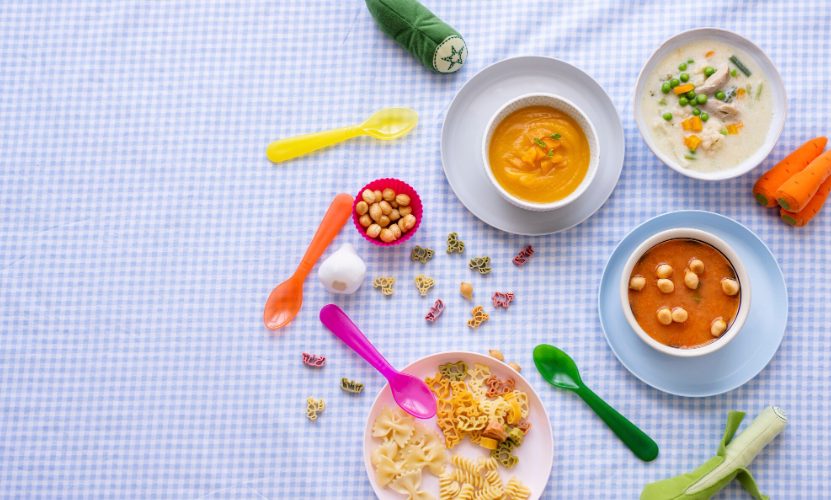
Introducing solid food is an exciting milestone in a baby's development. Around six months of age, many babies begin showing signs that they are ready to explore new tastes and textures. For parents, this stage brings new questions about what foods to offer, how much to serve and how to make mealtimes safe and enjoyable.
- Recognising When Your Baby Is Ready for Solids
- Understanding the Nutritional Needs of Six-Month-Old Babies
- Choosing Suitable First Foods
- Introducing Common Allergenic Foods
- Preparing Baby Food Safely
- Introducing Different Textures and Flavours
- Understanding Responsive Feeding
- Creating a Positive Mealtime Routine
- Managing Common Feeding Challenges
- Building Healthy Eating Habits for the Future
Choosing suitable 6 month old baby food involves more than preparing soft meals. Parents also need to understand their baby's nutritional needs, recognise signs of readiness and introduce different foods at a comfortable pace. Breast milk or infant formula remains an important source of nutrition during this period, while solid foods gradually become part of the baby's daily routine.
Recognising When Your Baby Is Ready for Solids
Most babies are ready to start solid foods at around six months. However, age alone does not determine readiness. Parents should look for several developmental signs before offering a first meal.
A baby who can sit upright with support and hold their head steady is better prepared to manage food safely. They should also be able to coordinate their eyes, hands and mouth to pick up food and bring it towards their mouth.
Another sign is the ability to swallow food rather than automatically pushing it out with the tongue. Showing interest in what other people are eating can also indicate curiosity about food, although interest alone does not mean a baby is ready.
Parents should avoid introducing solids too early. If they are unsure whether their child is ready, a healthcare professional can provide guidance based on the baby's development.
Understanding the Nutritional Needs of Six-Month-Old Babies
At six months, babies need additional nutrients to support their rapid growth and development. Breast milk or infant formula should continue to provide most of their nutrition while solid foods gradually become more important.
Iron deserves particular attention at this stage. A baby's iron stores begin to decrease around this age, making iron-rich foods an important part of early meals. Suitable choices include finely puréed meat, mashed lentils, beans and iron-fortified infant cereals.
Other important nutrients include zinc, protein, healthy fats and vitamins. Offering different food groups can help provide a wider range of nutrients while allowing babies to become familiar with different flavours.
Parents do not need to prepare complicated meals. Simple foods with suitable textures can provide a good starting point. The main aim is to offer nutritious choices regularly while allowing the baby time to learn how to eat.
Choosing Suitable First Foods
First foods should be soft, easy to manage and prepared without added salt or sugar. Smooth purées are one option, particularly when a baby is first learning to swallow food.
Vegetables such as sweet potatoes, carrots, pumpkin and peas can be cooked until soft before being mashed or blended. Fruits such as bananas, pears and avocados can also be offered in suitable mashed forms.
Iron-rich foods should be included early rather than waiting until the baby has tried many fruits and vegetables. Finely puréed meat, mashed beans and iron-fortified cereals are useful options.
Parents can begin with small portions and gradually offer more as the baby becomes comfortable. There is no need to force a baby to finish a serving. Learning to eat is a gradual process, and early meals may involve more tasting and exploring than actual consumption.
Introducing Common Allergenic Foods
Common allergenic foods do not need to be avoided simply because a baby is starting solids. Introducing them in age-appropriate forms during infancy may help reduce the risk of developing certain food allergies.
Foods such as well-cooked egg, smooth peanut butter, dairy products and fish can be introduced when the baby is ready for solids. They should be prepared safely and offered in forms that do not create a choking risk. For example, whole nuts are unsuitable, while smooth peanut butter can be thinned and mixed into another food.
Introduce new allergenic foods one at a time so that parents can identify any possible reaction. Once a food is tolerated, it should remain part of the baby's diet regularly.
Babies with severe eczema, an existing food allergy or other allergy-related concerns may need individual advice before certain foods are introduced. Parents should speak with a healthcare professional about the safest approach.
Preparing Baby Food Safely
Food safety is essential when preparing meals for young children. Babies have developing immune systems, so clean preparation and proper storage help reduce the risk of foodborne illness.
Wash hands before preparing food and clean all utensils, chopping boards and feeding equipment properly. Fruits and vegetables should be washed, while meat, fish and eggs must be cooked thoroughly.
Food should be mashed, blended or cut into suitable textures depending on the baby's ability. Avoid leaving hard pieces, bones or tough skins that may cause choking.
Honey should not be given before twelve months because of the risk of infant botulism. Whole nuts, hard sweets, popcorn and other choking hazards should also be avoided. Unpasteurised dairy products are unsuitable for babies.
Prepared food should be stored safely and not left at room temperature for extended periods. Any food that has been in contact with the baby's mouth should not be saved for another meal.
Introducing Different Textures and Flavours
Babies need time to become familiar with different food textures. Starting with smooth purées can help some children adjust, but parents should gradually introduce thicker mashed foods and soft lumps as their skills develop.
Continuing to offer only completely smooth food for too long may make later texture changes more difficult. By around eight to nine months, many babies can begin managing a wider range of soft, lumpy foods, depending on their development.
Variety is also important. Offering vegetables, fruits, grains, protein foods and other suitable ingredients helps babies experience different tastes.
A baby may reject a new food several times before accepting it. This is normal and does not necessarily mean they dislike the taste. Parents can offer the food again on another day without applying pressure.
Understanding Responsive Feeding
Responsive feeding means paying attention to a baby's hunger and fullness signals rather than following a strict expectation about how much they should eat.
A hungry baby may lean towards food, open their mouth or reach for a spoon. Signs of fullness can include turning the head away, closing the mouth or losing interest in the meal.
Parents should respect these signals and allow the baby to decide how much to eat. Pressuring a child to finish food can make mealtimes stressful and interfere with their ability to recognise fullness.
As coordination improves, babies can begin exploring suitable soft finger foods under close supervision. This helps develop hand control and allows them to take a more active role in eating.
Creating a Positive Mealtime Routine
A regular mealtime routine helps babies become familiar with eating solid foods. Parents can begin with one small meal each day and gradually increase the frequency as the baby becomes more comfortable.
At this age, there is no need to replace milk feeds with large portions of solids. Breast milk or formula should remain the main source of nutrition throughout the first year.
Mealtimes should take place in a calm environment, with the baby seated upright in a suitable high chair. Eating together as a family can also help children observe how others enjoy food.
Avoid distractions such as television and mobile devices. Giving the baby time to explore food can make meals more relaxed and enjoyable.
Managing Common Feeding Challenges
Some babies accept new foods quickly, while others need more time. Food refusal, messy meals and changes in bowel movements are common during the transition to solids.
Constipation may occur as the baby's diet changes. Offering suitable fruits, vegetables and small amounts of water with meals can help support normal bowel movements. However, ongoing constipation or discomfort should be discussed with a healthcare professional.
If a baby repeatedly refuses food, parents should remain patient and try again another day. Avoid forcing food into the mouth or turning mealtimes into a struggle.
Parents should also learn the difference between gagging and choking. Gagging can happen as babies learn to manage textures, but choking is a serious emergency. Always supervise babies while eating and make sure food is prepared in safe shapes and textures.
Building Healthy Eating Habits for the Future
Introducing solid foods is the beginning of a longer learning process. As babies approach their first birthday, they gradually become more comfortable with different ingredients, textures and meal combinations.
Offering a varied diet without unnecessary pressure can help children develop a positive relationship with food. Parents can support this process by providing nutritious choices, following hunger cues and making mealtimes pleasant.
With patience, safe preparation and attention to nutritional needs, introducing solids can become an enjoyable part of a baby's development. The goal is not to make every meal perfect, but to give the child regular opportunities to explore food while continuing to receive the nourishment needed for healthy growth.