Indoor air quality plays an important role in everyday health and comfort. Dust, pollen, pet dander, mould spores and other airborne particles can collect inside homes, offices and commercial spaces. Although these pollutants are not always visible, they may affect how people feel and breathe. An effective air purifier can help reduce these particles and create a more comfortable indoor environment.
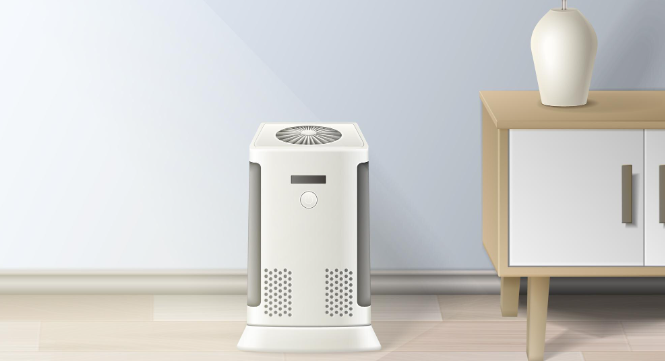
A hepa air purifier in Singapore is a popular option because it uses a specialised filter designed to capture very small airborne particles. Whether used in a bedroom, living room or workplace, it can support better indoor air quality when selected and maintained correctly.
What Is a HEPA Air Purifier?
HEPA stands for High-Efficiency Particulate Air. A genuine HEPA filter is designed to capture at least 99.97 per cent of particles measuring 0.3 micrometres under specified test conditions. This size is used as a testing reference because it is particularly difficult for filters to capture.
HEPA filters are made from a dense arrangement of fine fibres. As air passes through the material, particles are trapped through several filtration processes. These include interception, impaction and diffusion. Together, these processes help capture dust, pollen, mould spores and pet dander.
Some HEPA filters can also capture airborne particles carrying microorganisms. However, capturing a particle does not necessarily mean that the filter kills the bacteria or virus attached to it. This distinction is important when choosing an air purifier for a particular health or hygiene concern.
How HEPA Air Purifiers Work
A HEPA air purifier draws air from the surrounding room using an internal fan. The air usually passes through several filtration stages before being released back into the space.
Many models begin with a pre-filter that catches larger particles, such as hair, lint and visible dust. This helps prevent the main filter from becoming clogged too quickly. The air then passes through the HEPA filter, where smaller airborne particles are captured.
Some units also include activated carbon filters. These are designed to absorb certain odours and gases, including those from cooking, cleaning products and household materials. The effectiveness depends on the amount and type of carbon used, as well as the pollutants present.
The purified air is then circulated back into the room. For the best results, the purifier needs to be suitable for the room size and operated regularly.
The Main Benefits of Using a HEPA Air Purifier
Reducing Airborne Allergens
Allergens such as pollen, dust particles, mould spores and pet dander can cause discomfort for sensitive individuals. Common reactions include sneezing, a runny nose, itchy eyes and coughing.
A HEPA air purifier can reduce the amount of these particles circulating indoors. This may help make rooms more comfortable, particularly for people who experience allergies. However, it should be used alongside other measures, such as regular cleaning, washing bedding and controlling indoor moisture.
Supporting Better Respiratory Comfort
Airborne particles can irritate the nose, throat and respiratory system. People who are sensitive to dust or other pollutants may notice discomfort when indoor air quality is poor.
By capturing fine particles, a HEPA purifier can help reduce exposure to some common airborne irritants. This may be useful in bedrooms, living areas and offices where people spend several hours each day.
An air purifier is not a replacement for medical treatment or advice. People with asthma or other respiratory conditions should continue following their healthcare professional's recommendations.
Reducing Certain Airborne Particles
Indoor spaces can contain particles from cooking, cleaning, renovation work and everyday activities. Some of these particles remain suspended in the air before settling on furniture and other surfaces.
A properly sized HEPA air purifier can capture many of these airborne contaminants as air moves through the unit. This helps reduce particle levels, although it does not remove every type of indoor pollutant.
Creating a More Comfortable Living Space
A cleaner indoor environment can make homes and workplaces more pleasant. This is especially important in rooms where people sleep, work or spend long periods indoors.
When used consistently, a suitable air purifier can support a more comfortable environment by reducing airborne dust and other particles. Regular cleaning and good ventilation remain important parts of maintaining indoor air quality.
Choosing a HEPA Air Purifier for Your Space
Selecting the right purifier involves more than comparing brands or appearance. Its filtration performance, room coverage and maintenance requirements should match the intended use.
Consider the Room Size
Every air purifier has a recommended coverage area. Choosing a unit that is too small for the room may limit its ability to clean the air effectively.
Check the clean air delivery rate, commonly known as CADR, when comparing models. This measurement indicates how quickly a purifier can deliver filtered air. A higher CADR generally means that the unit can clean a larger space or circulate air more quickly.
Consider the room's layout and ceiling height as well. Open-plan areas may require a purifier with greater capacity than a smaller enclosed room.
Check the Noise Level
Air purifiers use fans, so some operating noise is normal. However, the sound level can vary depending on the model and fan setting.
If the unit will be placed in a bedroom, study or office, look for a model with a quiet or sleep mode. It should provide suitable airflow without becoming a distraction during rest or work.
Understand Filter Replacement Requirements
Filters need regular attention to maintain performance. Pre-filters may require frequent cleaning, while HEPA and activated carbon filters generally need replacement according to the manufacturer's instructions.
Before purchasing a unit, check the cost and availability of replacement filters. A purifier may appear affordable initially, but ongoing maintenance costs can affect its overall value.
Some models include filter replacement indicators. These can make maintenance easier, although the actual replacement schedule should still follow the manufacturer's guidance.
Look at Energy Consumption
An air purifier may operate for many hours each day, so energy use is worth considering. Check the power rating and look for energy-saving settings that allow the unit to operate efficiently.
Automatic modes can adjust fan speed according to readings from built-in air quality sensors. This may help reduce unnecessary operation, although sensor readings do not always detect every type of pollutant.
Modern Features and Filtration Technology
Air purifier technology continues to develop, giving users more ways to manage indoor air quality. Some models include digital displays, mobile applications and built-in sensors that provide information about airborne particles.
Smart connectivity allows users to control selected functions remotely. Depending on the model, they may be able to change fan speeds, set operating schedules or check air quality readings through a mobile device.
Multi-stage filtration is another common feature. A combination of pre-filters, HEPA filters and activated carbon can address different types of indoor contaminants. Some units also use UV technology, although its effectiveness depends on factors such as exposure time and system design. These additional features should not be treated as a substitute for effective particle filtration.
Energy-saving modes and automatic settings can also make daily use more convenient. Before paying extra for advanced functions, consider whether they offer practical benefits for the intended space.
Using and Maintaining Your Air Purifier Properly
Correct placement can influence how well an air purifier works. Keep the unit in an open area where its air intake and outlet are not blocked by walls, curtains or furniture. Follow the manufacturer's recommended clearance distances.
Run the purifier regularly, especially in rooms where people spend most of their time. Keep doors and windows closed when outdoor pollution is high, while maintaining suitable ventilation whenever possible.
Clean washable pre-filters as instructed and replace disposable filters when required. Avoid washing a HEPA filter unless the manufacturer specifically states that it is washable, as moisture can damage its structure and reduce performance.
It is also important to remember that air purifiers do not remove every indoor pollution source. Regular vacuuming, controlling dampness, avoiding indoor smoking and using suitable ventilation can all help improve air quality.
Making a Practical Choice for Better Indoor Air
A HEPA air purifier can be a useful addition to a home or workplace. Its ability to capture fine airborne particles makes it a practical option for people who want to reduce dust, pollen, pet dander and other common pollutants.
The best choice depends on room size, filtration performance, noise levels, energy use and replacement filter costs. By considering these factors and maintaining the unit properly, users can get more consistent results.
Choosing a suitable HEPA air purifier in Singapore can help support a cleaner and more comfortable indoor environment. With regular use and good household cleaning habits, an effective purifier can become a valuable part of everyday indoor air care.