Marble has long been associated with elegant interiors. Its natural veining, subtle colour variations and polished surface make it a popular choice for floors, walls, kitchen features and bathrooms. However, natural marble is not always suitable for every renovation budget or household. It requires careful maintenance, and its natural characteristics mean that no two slabs look exactly alike.
Marble look-alike tiles offer another way to achieve a similar appearance. Designed to reproduce the patterns and colours of natural marble, these tiles are available in different sizes, finishes and materials. They allow homeowners to introduce a marble-inspired look without necessarily dealing with all the maintenance requirements associated with natural stone. Futar Singapore is worth exploring when sourcing tile options for a home renovation project.
Understanding the available options helps you decide whether marble-effect tiles are suitable for your home.
What Are Marble Look-Alike Tiles?
Marble look-alike tiles are manufactured tiles designed to imitate the appearance of natural marble. They reproduce features such as flowing veins, cloudy patterns and variations in colour through printed or digitally applied designs.
Porcelain is a common material used for marble-effect tiles because of its density and relatively low water absorption. Ceramic options are also available, particularly for certain wall applications.
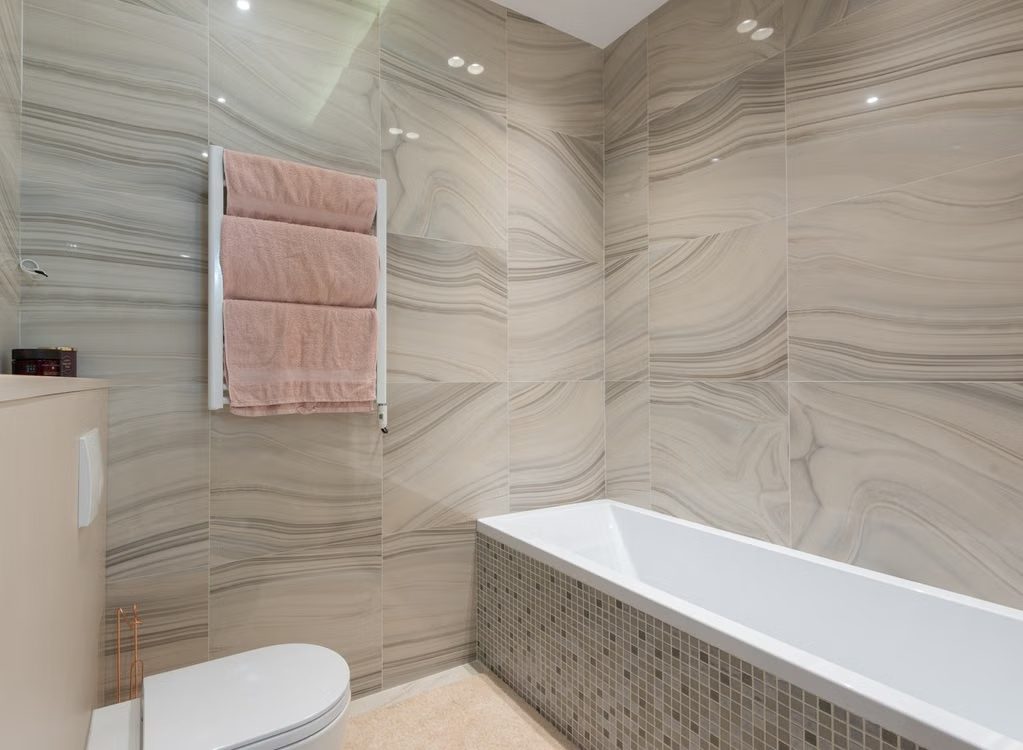
Manufacturing technology allows these tiles to reproduce different marble styles, including white stone with grey veining, darker surfaces with contrasting patterns and warmer shades with beige or brown details. Some designs also include surface textures that resemble the feel of natural stone.
Although they imitate marble visually, these products are not natural marble. Their performance depends on the material, manufacturing quality, finish and technical specifications.
Why Homeowners Choose Marble-Effect Tiles
One reason marble look-alike tiles appeal to homeowners is their ability to create a refined interior without requiring natural stone. They offer a consistent manufactured design, which can make it easier to coordinate multiple areas of a property.
Natural marble is porous and can be vulnerable to staining or damage from certain household substances. Porcelain marble-effect tiles generally have lower water absorption and do not require the same sealing routine as many natural stone products. They still need appropriate cleaning and care, but routine maintenance is often more straightforward.
Cost is another consideration. Depending on the product, size and quality, manufactured tiles might provide a more affordable alternative to natural marble. However, premium porcelain designs, large-format tiles and specialist installation can still involve a substantial investment.
The wider selection of colours and patterns also gives homeowners greater control over the final appearance. You can choose a subtle marble design for a calm interior or a more dramatic pattern for a feature surface.
Popular Marble-Inspired Styles for Different Interiors
Not every marble-effect tile creates the same impression. The colour, veining and finish influence how the material works within a room.
White Marble Designs
White marble-look tiles with grey veining are among the most recognisable options. They suit bright, contemporary interiors and work well with neutral walls, timber furniture and metallic details.
These designs are often used for living room floors, bathroom walls and kitchen backsplashes. A restrained pattern helps maintain a clean appearance, while more pronounced veining creates a stronger visual feature.
Dark Marble Designs
Dark marble-effect tiles offer a different style. Black, charcoal and deep brown surfaces with contrasting veins create a more dramatic appearance.
They are often used for feature walls, bathroom vanities and selected flooring areas. Since dark surfaces can make a room feel heavier, consider the amount of natural light and the surrounding finishes before using them across a large area.
Beige and Warm-Toned Designs
Beige and cream marble-effect tiles provide a softer alternative to stark white surfaces. Their warmer tones work well with natural timber, muted colours and understated furniture.
These designs are suitable for homeowners who want the appearance of stone without creating an overly formal interior. They can also help establish a consistent palette across living areas and bathrooms.
Where Can Marble Look-Alike Tiles Be Used?
The versatility of marble-effect tiles makes them suitable for several parts of a home, provided the selected product is rated for the intended application.
In living rooms, larger porcelain tiles create a continuous surface with fewer grout lines. A polished finish reflects light and gives the room a brighter appearance, although it might show footprints and smudges more clearly.
Bathrooms are another common application. Marble-look tiles work on walls, floors and shower enclosures, but floor products should have suitable slip-resistance characteristics for wet conditions. A polished wall tile should not automatically be assumed suitable for a shower floor.
Choosing the Right Size and Finish
Tile dimensions influence how the finished surface looks. Large-format tiles create fewer grout joints and allow the printed marble pattern to cover a wider area. This can produce a more continuous appearance, particularly in open-plan interiors.
Smaller tiles provide more flexibility around corners, narrow sections and areas with complicated layouts. They might also suit designs that combine different patterns or formats.
The finish deserves equal attention. Polished tiles have a reflective surface that highlights the marble pattern and can make a room feel brighter. Matt finishes offer a more understated appearance and often create a softer visual effect.
What to Check Before Buying
The appearance of marble-effect tiles is only one part of the selection process. Technical specifications help determine whether the product will perform well in its intended location.
For flooring, check the tile's durability, surface finish and slip-resistance rating. For bathrooms and kitchens, consider water absorption and the manufacturer's recommendations for wet areas. Large-format products also require an installer familiar with handling and laying heavier tiles.
Batch consistency is important when covering a large surface. Ask whether enough tiles are available from the same production batch, as slight differences in shade or pattern might occur between batches.
Final Thoughts
Marble look-alike tiles offer homeowners a practical way to introduce the appearance of natural stone into modern interiors. Their range of patterns, colours, sizes and finishes makes them suitable for different rooms and design preferences.
Before choosing a product, consider where it will be installed, how the surface will be used and what maintenance it requires. Comparing samples and checking technical specifications also helps ensure the selected tiles are suitable for the space. With the right combination of design and performance, marble-effect tiles can create an attractive finish that works with everyday household needs.