
Mosquitoes, those pesky, buzzing insects, have long been considered one of the most bothersome yet dangerous pests. As vectors of numerous diseases such as malaria, dengue, and the Zika virus, their control is critical not just for comfort but also for public health safety. Effective mosquito control is a vital aspect of pest management that requires a multifaceted approach. Knowing the behaviour and breeding habits of mosquitoes can help in implementing strategies to mitigate their presence and minimise health risks.
- Understanding Mosquito Behaviour
- Environmental Management
- Biological Control Methods
- Chemical Control Strategies
- Personal Protective Measures
- Innovative Technologies in Mosquito Management
- Public Education and Community Involvement
- The Role of Government and Policy
- The Importance of Research and Development
Understanding Mosquito Behaviour
Mosquitoes are most active during dusk and dawn, although some species are day biters. They breed in stagnant water, making anything from a discarded bottle cap to a clogged gutter a potential site for mosquito proliferation. Different species have varying preferences for breeding sites; for instance, the Aedes mosquito—known for spreading dengue—often breeds in artificial containers with clean water. Understanding these behavioural patterns is crucial in targeting and disrupting their life cycle.
Environmental Management
Environmental management is an essential component of mosquito control. This involves altering the environment to make it less conducive to mosquito breeding. Eliminating sources of standing water can significantly reduce mosquito populations. Regular maintenance of gardens, cleaning of gutters, and proper disposal of waste can prevent mosquitoes from finding suitable breeding sites. Beyond individual efforts, community participation is a powerful tool in carrying out large-scale environmental management.
Biological Control Methods
One of the environmentally friendly methods of reducing mosquito populations is through biological control. This involves the use of natural predators to keep mosquito numbers in check. Fish such as guppies and larvae-eating beetles can be introduced into ponds and water features to consume mosquito larvae. Additionally, certain bacterial agents can be used to target larvae without harming other wildlife. Such biological interventions are beneficial in maintaining ecological balance while effectively controlling mosquito populations.
Chemical Control Strategies
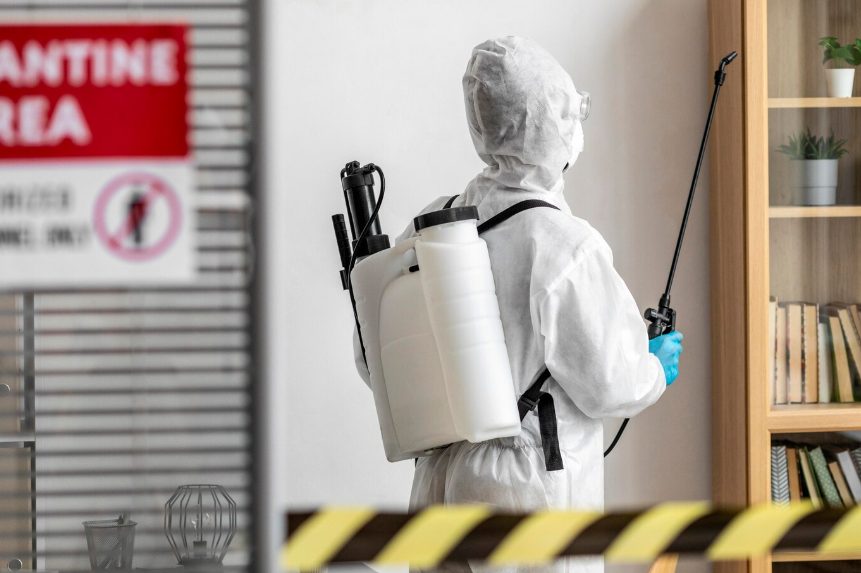
When other methods prove insufficient, chemical control can be employed as part of an integrated pest management approach. Larvicides and adulticides are the most common types of insecticides used in mosquito control programmes. These chemicals can effectively reduce mosquito populations when applied correctly. However, the use of insecticides should be judicious to prevent environmental harm and the development of resistance among mosquito populations. Rotating chemicals and combining them with other control strategies can help mitigate these risks.
Personal Protective Measures
Reducing mosquito bites is another essential component of controlling the spread of diseases. Personal protective measures include wearing long-sleeved clothing and using mosquito repellents on exposed skin. Mosquito nets treated with insecticide can protect during sleep. By combining these personal preventative actions with broader environmental and biological strategies, individuals can play a vital role in controlling mosquito populations and reducing the risk of disease transmission.
Innovative Technologies in Mosquito Management
Recent technological advancements have opened new avenues in mosquito management. For instance, genetically modified mosquitoes have been developed to reduce populations. These engineered mosquitoes carry genes that result in progeny that do not survive to adulthood, effectively reducing mosquito numbers over time. Similarly, the release of sterile mosquitoes is another innovative approach being tested to suppress mosquito populations. These methods offer promising new tools in the fight against mosquitoes by specifically targeting the most troublesome species.
Public Education and Community Involvement
Public education and community involvement are essential components of any successful mosquito management programme. Communities must be informed about the threats posed by mosquitoes and the strategies available to combat them. By fostering a culture of prevention and control, individuals can be empowered to play an active role in reducing mosquito habitats and implementing protective measures. Educational campaigns and community clean-up events are effective ways to engage the public in these efforts.
The Role of Government and Policy
Governments play a critical role in orchestrating large-scale mosquito control efforts. Policy measures may include regulations to ensure proper waste management and water storage practices, thus limiting mosquito breeding sites. Furthermore, government-led programmes may focus on disease surveillance and rapid response to mosquito-borne outbreaks. By setting standards and facilitating cooperation between various stakeholders, governments can significantly enhance the effectiveness of mosquito management initiatives.
The Importance of Research and Development
Continued research and development are essential for advancing mosquito control methods. Understanding mosquito genetics, behaviour, and resistance patterns can lead to the development of more targeted and sustainable control strategies. Investing in research can also help predict and prevent the spread of emerging mosquito-related diseases, aiding in global health preparedness. Collaborative international research initiatives are particularly crucial in addressing the challenges posed by mosquitoes, as these pests do not recognise borders.
In conclusion, comprehensive mosquito management requires a collaborative and multifaceted approach. By integrating environmental management, biological and chemical control, public education, and government policy, we can devise effective strategies to combat this persistent pest. Moreover, innovative technologies and continued research present opportunities to enhance these efforts and protect public health from the threats posed by mosquitoes.