
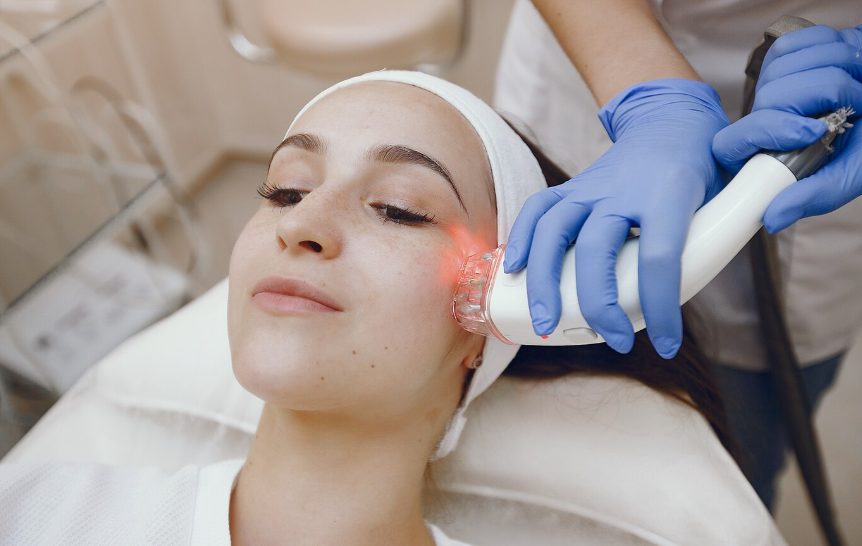
Acne, a common and distressing skin condition, affects millions globally, appearing predominantly during adolescence and often persisting into adulthood. Its impact, extending beyond physical scarring to emotional distress, necessitates effective and long-lasting treatments. In recent years, the medical community has increasingly turned to laser treatment for acne. This groundbreaking approach offers a beacon of hope for those accustomed to relentless battling with topical treatments and prescription medications, often with variable results.
Understanding Acne and Its Challenges
Acne arises from the clogging of hair follicles by oil and dead skin cells. The presence of bacteria aggravates this condition, leading to inflammation, red spots, and sometimes painful cysts and nodules. Over-the-counter cleansers and creams might offer temporary relief, but severe acne often persists, leading individuals to explore more advanced treatment options.
Prescription treatments such as antibiotics and retinoids can manage acne effectively but may come with significant side effects, such as skin irritation or antibiotic resistance. Additionally, these treatments often take time to show results, necessitating patient compliance and perseverance.
How Laser Treatments Work
Laser treatments harness light energy to target and treat acne symptoms successfully. These treatments encompass a range of laser types, each serving different functions. Some lasers target bacteria responsible for acne, while others reduce sebaceous gland activity, cutting oil production. Another variety stimulates collagen production, aiding the repair and regeneration of skin tissues to mitigate scarring.
Leading dermatologists often utilise pulsed dye lasers and diode lasers for acne treatment. Pulsed dye lasers focus on cutting down inflammation and redness, while diode lasers penetrate deeper layers to tackle oil and bacterial presence directly. Each approach needs careful consideration and professional guidance to cater to individual skin types and acne severity.
The Procedure and What to Expect
Before undergoing laser treatment, patients typically have a consultation with a dermatologist to evaluate their skin condition and determine the appropriate laser technology. Once the treatment plan is in place, the procedure begins with cleansing the skin to remove any impurities.
Depending on the chosen laser technology, the procedure might take from a few minutes to half an hour. Patients might feel a mild discomfort similar to a rubber band snapping against the skin, but this is usually well-tolerated and brief. Post-treatment, some redness and swelling akin to sunburn may be experienced, but these symptoms generally dissipate within a few days.
The number of sessions required depends on the individual's skin response and acne severity. Some may see noticeable improvements after one treatment, while others may require multiple sessions to achieve optimal results. Notably, laser treatments offer a speedy recovery without the extensive downtime usually associated with more invasive procedures.
Benefits Beyond Acne Reduction
The allure of laser treatments extends beyond reducing acne lesions. Lasers play a pivotal role in improving skin texture and tone. By encouraging the natural production of collagen, they aid in smoothing out the skin surface, thus reducing the appearance of post-acne scars. Skin rejuvenation occurs concurrently, providing a clearer and more even complexion, which significantly boosts self-esteem and confidence.
Furthermore, unlike many topical treatments, laser therapy offers precise targeting, sparing the surrounding skin from damage. This precision treatment minimises possible adverse reactions and provides a tailored approach to managing acne.
Navigating Potential Side Effects
While laser treatments are generally considered safe, awareness of potential side effects is crucial. Common reactions include temporary redness, slight swelling, and minor discomfort, resembling mild sunburn. Although rare, more serious side effects like changes in skin pigmentation or blistering could occur, necessitating professional evaluation beforehand.
Patients with darker skin tones should be particularly cautious, as certain laser types can increase pigmentation risk. Thus, selecting a qualified and experienced dermatologist is vital to achieve the best possible outcomes.
Cost Considerations and Access
Financial considerations often play a significant role in healthcare decisions, and laser treatments for acne are no exception. While perceived as more expensive than conventional treatments, they arguably present a valuable investment for long-term relief, significantly reducing ongoing dependence on ineffective over-the-counter products or more costly corrective procedures later.
The cost of laser treatments can vary dramatically based on factors such as the technology used, number of sessions required, and the practitioner’s expertise. Prospective patients should conduct thorough research and consultations to find affordable yet reputable clinics or dermatology centres offering this service.
Conclusion: An Effective Acne Management Solution
In recent years, laser treatments have emerged as a compelling alternative for managing acne and its aftermath, providing durable and wide-ranging benefits. By effectively targeting the root causes of acne and aiding in skin rejuvenation, this method has instilled confidence and hope in those struggling with persistent skin issues. As dermatological technology continues to advance, laser treatments remain at the forefront of innovative solutions, striving tirelessly to enhance skin health and well-being.